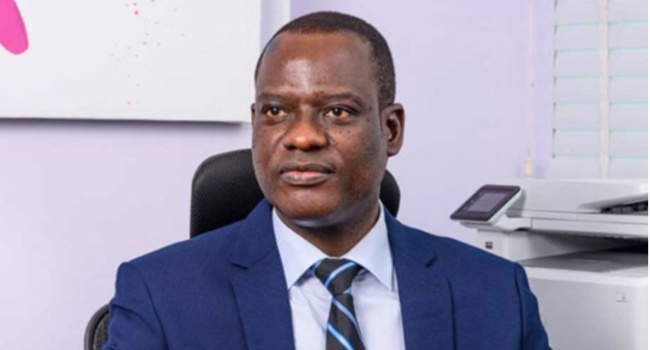
Nigeria Moves From Reform Shock to Growth Phase — Oyedele
The Minister of Finance, Wale Edun Oyedele, has said Nigeria’s economy is gradually moving from a period of instability caused by major reforms to a new phase focused on growth and long-term stability.
Speaking in an interview with TheAfricanReport, Oyedele explained that the government anticipated short-term economic shocks when it began removing fuel and foreign exchange subsidies, which had long distorted the economy.
According to him, the removal of subsidies was necessary, but it came with unavoidable consequences such as rising fuel prices, increased transport costs, and inflationary pressure.
“If you think about where we started… there was a lot of economic distortion, particularly from fuel subsidy and FX subsidy,” he said. “To deal with that, you would necessarily have to get a situation of volatility.”

He added that these immediate challenges were expected as part of the adjustment process.
“You remove subsidy, fuel prices go up. Transportation is affected. Logistics is affected. Price pressure, inflation — those things would happen,” he said.
Oyedele noted that the focus of government policy has now shifted, saying the economy is beginning to stabilise after the initial shocks of reform.
According to him, key indicators such as inflation, exchange rates and overall economic activity are beginning to show signs of improvement.
“We’ve seen moderation in inflation. We’ve seen the foreign exchange rate stabilise… and even some steady appreciation over time. We’ve also seen modest growth,” he said.
He, however, acknowledged that global events, including geopolitical tensions, have continued to affect the economy.
The minister said Nigeria is now transitioning from stabilisation efforts to a growth-driven phase, where attention will shift toward boosting productivity and investment.
“So we believe that we are now moving from stability to growth,” he said.
Oyedele emphasised that achieving sustainable growth would require major investments in power, infrastructure, education and skills development, as well as a more investor-friendly tax system.
“You need power, infrastructure, skills. You need to deal with over-regulation. Your tax system must be growth-promoting,” he said.
On tax reforms, he said the government is strengthening compliance and expanding the tax base, including enforcement across multinationals, high-net-worth individuals and other previously untaxed sectors.
“No one should be above the law,” he stated, adding that the goal is to build a system where compliance is mandatory and enforceable.
He concluded that while the reforms have been difficult, they are laying the foundation for stronger public finances and long-term economic development, with the government now focused on turning stability into tangible economic gains for citizens and businesses.