

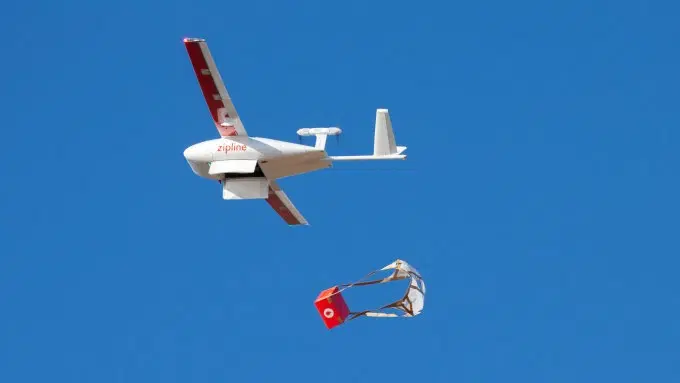
Stakeholders in the Niger Delta have dismissed allegations that surveillance drones used in the region are intended to support ethnic conflicts, insisting that the technology is solely focused on combating crude oil theft and economic sabotage.
In a statement, community representatives explained that concerns linking the drones to ethnic tensions are unfounded. They noted that operators of illegal oil bunkering networks have become increasingly uncomfortable since the technology began exposing illegal refineries and suspicious vessels operating within the creeks.

According to the stakeholders, the drone surveillance programme is part of a broader national effort approved by the federal government to protect Nigeria’s oil resources. They stressed that all flight operations and surveillance activities are conducted in collaboration with relevant security agencies, ensuring proper oversight and accountability.
They argued that the real challenge facing the region is the persistent theft of crude oil, which has contributed to environmental degradation, displacement of communities, and economic losses over the years.

Addressing ethnic concerns, they maintained that the technology operates without bias, focusing solely on identifying illegal activities rather than targeting any particular group or community.
The stakeholders further stated that local communities have benefited significantly from the surveillance initiative, with thousands of youths across various Niger Delta ethnic groups gaining employment through monitoring and operational roles linked to the programme.

They also rejected suggestions that drone operations should be suspended or decentralised, arguing that such moves would weaken efforts to tackle oil theft at a time when the technology is helping authorities detect and prevent illegal activities more effectively.




