

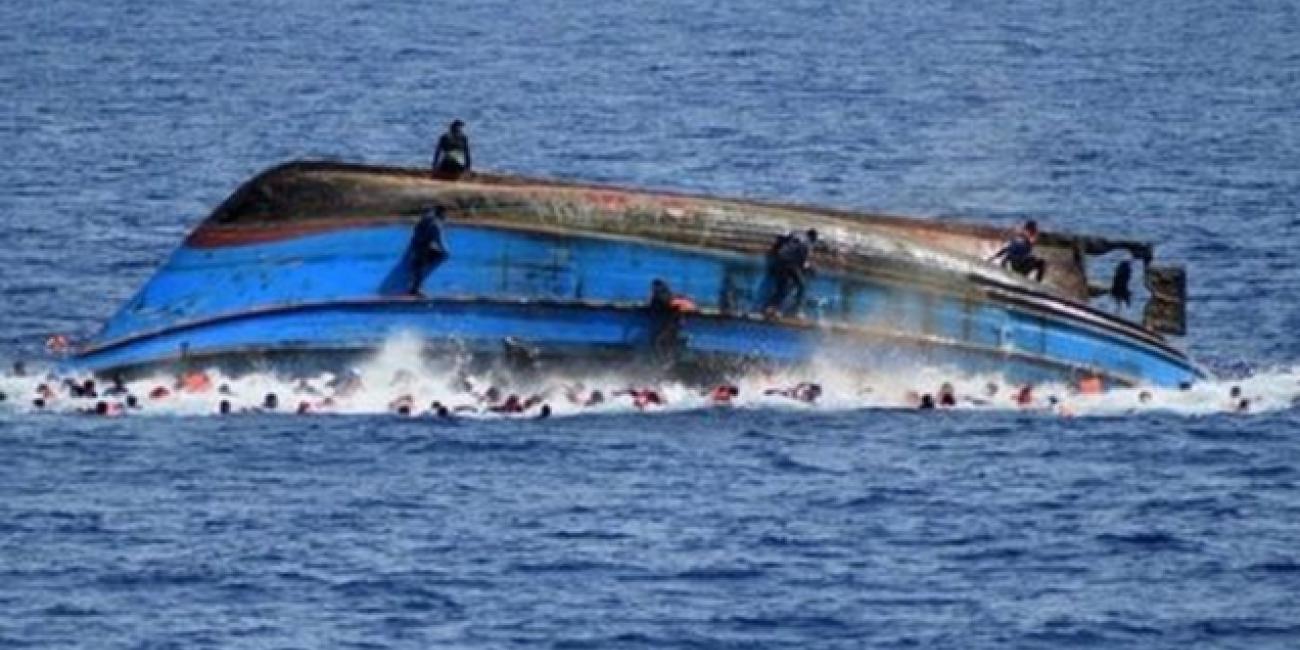
At least 53 migrants, including two babies, are feared drowned after a rubber boat carrying 55 people capsized off the coast of Libya, according to the International Organisation for Migration (IOM).
The UN migration agency announced on Monday that the only survivors were two Nigerian women, who were rescued by Libyan authorities on Friday.

The vessel reportedly took on water and sank about six hours after departing from al-Zawiya, a coastal city west of Tripoli in north-western Libya, in the early hours of Friday.
IOM said the boat carried migrants and refugees from various African countries attempting the dangerous Mediterranean crossing to Europe.

Almost 500 migrants have been reported dead or missing while trying to cross from Libya so far in 2026, with January alone recording at least 375 fatalities amid a series of “invisible” shipwrecks during extreme winter weather. The true toll is feared to be higher.

Survivors told IOM teams that the rubber dinghy left al-Zawiya around 23:00 local time before overturning north of Zuwara several hours later.
One survivor reported losing her husband, while the other said her two babies had died. Both women received emergency medical care from IOM upon rescue.

Libya has become a primary departure point for sub-Saharan African migrants and refugees seeking to reach Europe since the 2011 fall of Muammar Gaddafi. Traffickers and smuggling networks force people onto unseaworthy vessels, contributing to the rising death toll.
Conditions for migrants in Libya remain dire, with UN human rights officials documenting widespread torture, trafficking, forced labour, extortion, and other abuses by both state and non-state actors, including militia groups.

IOM urged stronger international cooperation to dismantle smuggling networks and establish safe, legal migration pathways, noting that many sinkings go unreported by smugglers, leaving victims unaccounted for and families without answers.
Several countries, including the UK, Spain, Norway, and Sierra Leone, have called on Libya to shut down detention centres where rights groups say migrants face severe abuses.
The central Mediterranean route remains one of the world’s deadliest migration corridors, with thousands losing their lives annually in pursuit of safety and better opportunities in Europe.




