

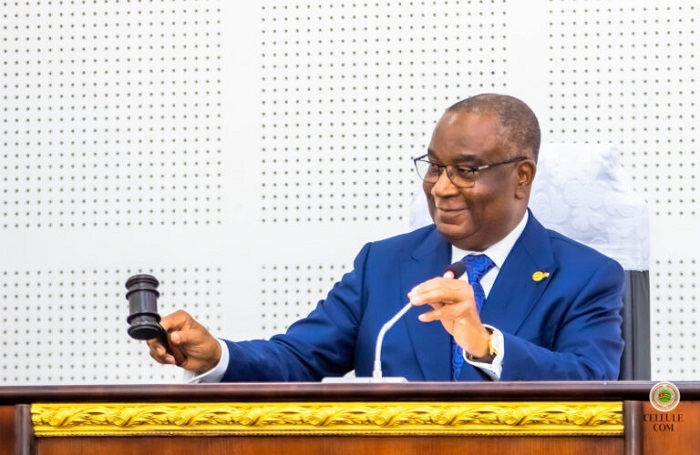
The ECOWAS Parliament has urged member states to realign their education systems with evolving market demands to boost productivity and competitiveness in the region.
Speaking at a joint committee meeting in Lomé, Togo, Komi Selom Klassou, President of the National Assembly of Togo, emphasized that failure to adapt educational programs to current economic realities could undermine stability and growth. The meeting focused on “Strengthening Curriculum Alignment with Socio-Economic Needs of the ECOWAS Region.”

Klassou, represented by ECOWAS Parliament Speaker Mémounatou Ibrahima, highlighted education as the foundation of prosperous societies. He called for educational reforms that address technological advances, skill gaps in the labor market, and industrial diversification, transforming the region’s youthful population into a driver of economic growth.

He stressed that education is not only a fundamental right but also a strategic tool for intellectual, economic, and social sovereignty. Aligning curricula with socio-economic realities, including emerging sectors, digital skills, and entrepreneurial competencies, is vital to reduce youth unemployment and harness the demographic dividend.

Citing Protocol A/P3/1/03 adopted by ECOWAS Heads of State in 2003, Klassou noted the importance of harmonizing regional education policies to ensure quality, accessible, and relevant learning. He commended Togo’s ongoing reforms under President Faure Essozimna Gnassingbé, which integrate private sector partnerships, vocational training, and problem-solving pedagogies aimed at improving employability and self-employment opportunities.
Other committee members, including Hon. Kweku George Hagan from Ghana, emphasized that education must be competency-driven, not just certificate-oriented, and urged embedding digital literacy, green skills, entrepreneurial thinking, and continuous curriculum review in collaboration with industry and academia.

The ECOWAS delegation stressed that aligning education with labor market demands, technological advancement, and socio-economic priorities is critical for regional integration, youth empowerment, and sustainable development.




