

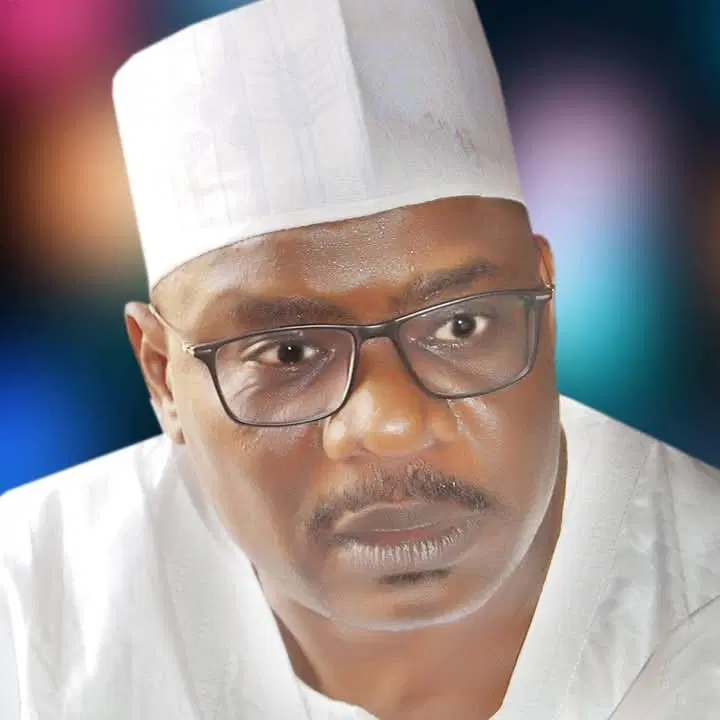
The political atmosphere in Southern Borno ahead of the 2027 general elections is becoming increasingly tense as fresh debates emerge over who should represent the senatorial district, with growing pressure both for continuity and for change.

A widening political disagreement has surfaced over the possible replacement of the incumbent senator, Mohammed Ali Ndume, as various groups and stakeholders intensify consultations and counter-mobilisations across the district.

Tension rose on Wednesday after the Voice of Savannah Community Association (VSCA), led by Comrade Ibrahim Ezekiel Mamza, rejected what it described as attempts by certain actors within the All Progressives Congress to impose a preferred candidate for the senatorial seat.
The group specifically criticised endorsements of the Deputy Speaker of the Borno State House of Assembly, Abdullahi Askira, arguing that individuals backing his ambition had previously opposed the creation of Savannah State.

VSCA warned against what it called “imposed leadership,” insisting that Southern Borno constituents should not be dictated to by self-acclaimed political stakeholders. It also expressed dissatisfaction with the endorsement of Askira, describing it as unacceptable to many residents of the zone.
In its statement in Maiduguri, the group argued that Askira’s alleged stance on the Savannah State agitation raises questions about his suitability to represent a region that has long championed the cause of state creation.
Despite opposition, political realignments appear to be forming, with reports that some stakeholders are encouraging Askira to challenge Ndume in the 2027 senatorial election.

Mamza further maintained that constituents across the 101 wards, over 1,700 polling units, and nine local government areas in the district are not aligned with the endorsement, urging accountability from its supporters.
He also challenged Askira to publicly address concerns about his developmental impact and legislative contributions, while raising concerns about insecurity in the region and the effectiveness of representation during crisis periods.
Another group, the Voice of Displaced Communities of Southern Borno (VDCSB), led by Dr. Bashir Habu, also questioned Askira’s role during the Boko Haram insurgency, asking what concrete steps he took while communities suffered displacement and destruction.
Meanwhile, discussions about leadership rotation and political fairness have gained momentum following consultative meetings in Biu, Gwoza, and Shani, involving political figures, party elders, and youth representatives from across the district.
Some stakeholders argue that political rotation should guide representation, citing past precedents where support was given across local government areas in the spirit of equity.
Others, however, maintain that the senatorial seat should remain competitive and open to all qualified aspirants across Southern Borno, rather than being restricted to any single locality.
While Senator Ndume remains a dominant figure in the political landscape of the district, the increasing mobilisation from opposing camps suggests a potentially heated contest ahead of the 2027 elections.




