

Global diplomatic activity intensified as renewed talks involving the United States, Iran, Israel, Lebanon, and other international actors signaled possible progress toward easing long-running tensions in the Middle East, even as violence and military pressure continued in the region.

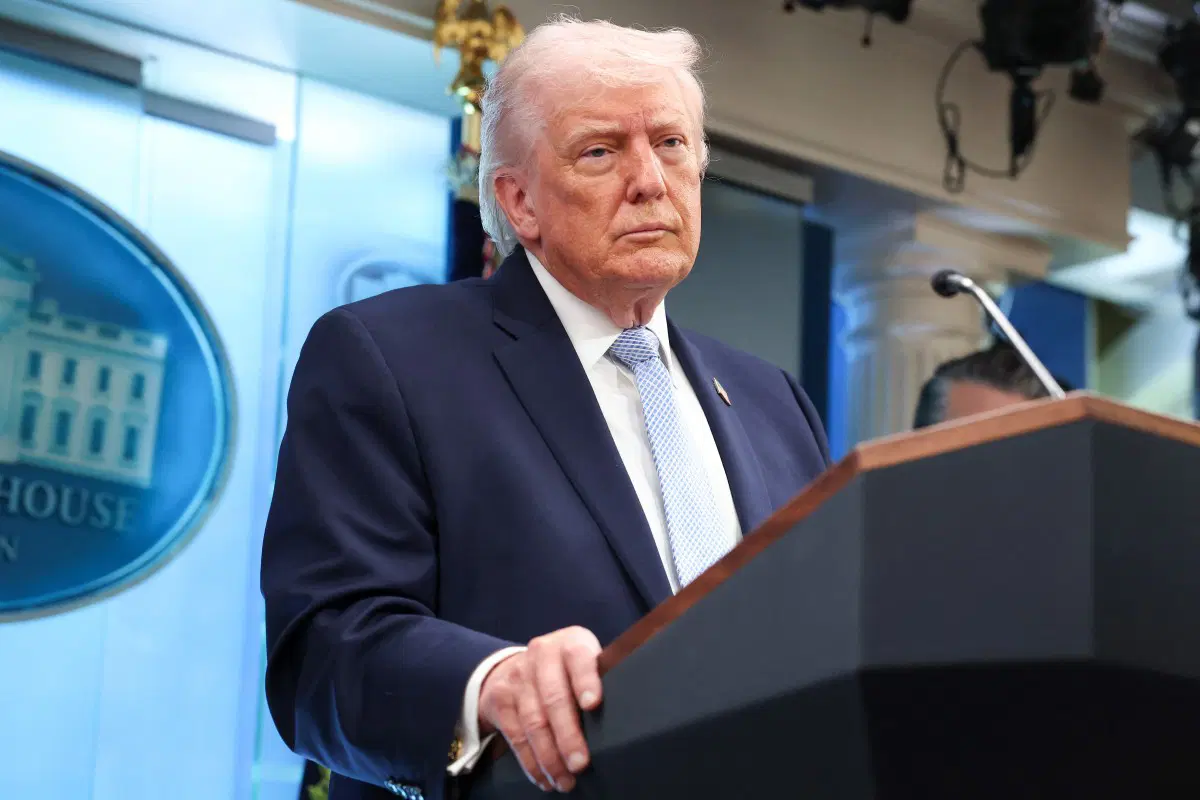
President Donald Trump said that a new round of discussions with Iran could resume within days, possibly taking place in Pakistan, following earlier indications of contact between Washington and Tehran aimed at reviving stalled negotiations.
At the same time, Israel and Lebanon agreed to begin direct talks during a meeting hosted in Washington, marking a rare diplomatic development between the two countries, which have remained formally at war for decades.

The discussions were facilitated by US Secretary of State Marco Rubio and involved diplomatic representatives from both sides, with Washington describing the engagement as a significant opportunity to reduce hostilities.
However, the talks faced immediate opposition from Hezbollah, which rejected the process and carried out rocket attacks into northern Israel as the meeting commenced, underscoring the fragile security situation on the ground.
The Lebanese government expressed hope that the negotiations could help end years of conflict and humanitarian suffering, while Israel maintained that any agreement must address the continued presence of Hezbollah in southern Lebanon.

Despite diplomatic progress, tensions remained high as military activity and retaliatory threats continued across multiple fronts, including the broader US-Iran standoff.
Washington has also increased pressure on Tehran through maritime restrictions targeting Iranian trade routes, a move that Iranian authorities condemned as unlawful and destabilizing.
China criticized the measures, warning that they could further escalate global energy insecurity, while markets reacted with volatility as investors responded to shifting expectations around potential peace deals.

Officials from several countries, including European and regional powers, have urged both sides to pursue sustained negotiations, stressing that military escalation cannot resolve the crisis.
At the center of the US-Iran dispute remains disagreement over Iran’s nuclear program, with Washington insisting on strict limits while Tehran has proposed temporary reductions in enrichment activities as part of a possible compromise.
Despite differences, diplomatic channels remain open, with mediators from Pakistan and other states reportedly working to facilitate further engagement between both sides.




