

By G. Fraser, MFR
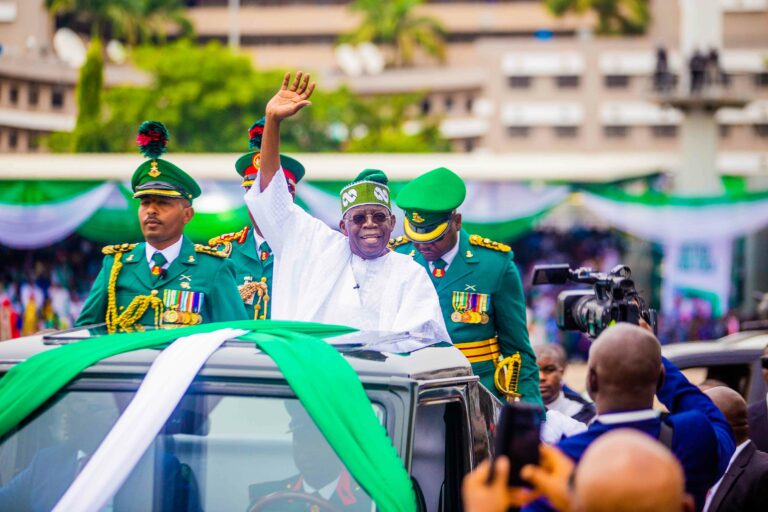
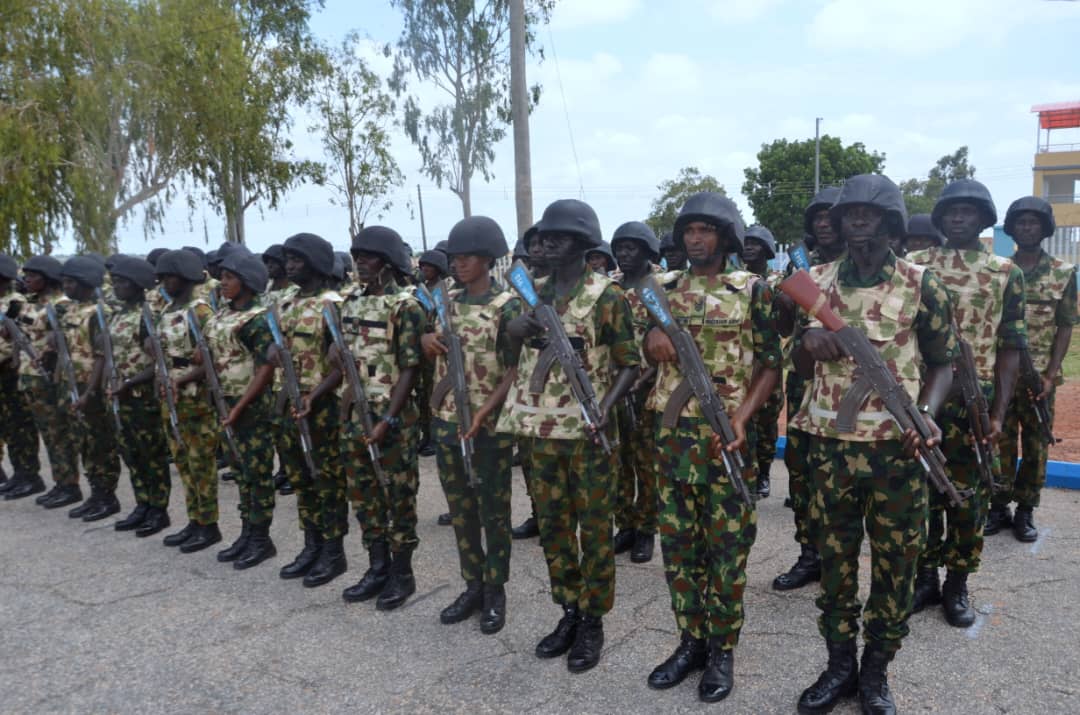
President Bola Ahmed Tinubu has approved one of the most ambitious restructurings of the Nigerian Army in decades, authorising its expansion from eight to 12 divisions alongside the recruitment of 28,000 additional soldiers in a major push to strengthen national security and improve the military’s ability to respond to terrorism, banditry, kidnapping and other emerging threats.
The far-reaching reform, announced by the Presidency on Thursday, marks a significant shift in Nigeria’s defence architecture, with new divisional headquarters to be established in Makurdi, Ilorin, Jalingo and Benin City while existing formations are reorganised to improve operational efficiency, command coordination and rapid deployment.
Security experts have long argued that Nigeria’s expanding security challenges require a more decentralised command structure capable of responding swiftly across the country’s vast territory. The latest approval reflects that strategic thinking by positioning additional military formations closer to some of the nation’s most volatile security flashpoints.
Under the new structure, the 5 Division Headquarters in Makurdi will supervise operations in Benue, Nasarawa and Kogi States; the 9 Division in Ilorin will cover Kwara and Niger States; the 10 Division in Jalingo will oversee Taraba and Adamawa States; while the newly created 83 Division in Benin City will coordinate military operations across Edo, Delta and Bayelsa States.
Existing divisions headquartered in Kaduna, Ibadan, Jos, Port Harcourt, Maiduguri, Sokoto, Lagos and Enugu will continue operations under an expanded national deployment strategy designed to strengthen territorial defence and internal security.
According to the Presidency, the restructuring is intended to improve command and control, decentralise operational decision-making, reinforce border security, protect critical national infrastructure and enhance counter-insurgency, anti-banditry and internal security operations.
The expansion also forms part of a broader military modernisation programme already approved by President Tinubu, which includes the recruitment of 28,000 additional personnel, acquisition of modern military platforms and equipment, improved troop welfare and sustained investment in operational readiness across the Armed Forces.
Implementation will be executed in two phases. The first phase, covering the establishment of the 5, 9 and 10 Divisions and the reorganisation of existing formations, is scheduled for completion by September 2026, while the second phase—including the activation of the 83 Division—is expected to conclude by December 2026.
President Tinubu commended the Chief of Army Staff, Lieutenant General Waidi Ibrahim Shuaibu, officers and soldiers of the Nigerian Army for their professionalism and sacrifice in safeguarding Nigeria’s territorial integrity. He reaffirmed his administration’s commitment to ensuring that the Armed Forces remain better equipped, better motivated and technologically prepared to confront evolving security threats.
Beyond increasing troop numbers, defence analysts say the real significance of the reform lies in its operational implications. Shorter command chains, faster deployment, improved intelligence coordination and greater regional responsiveness are expected to enhance military effectiveness in areas affected by insurgency, terrorism, banditry, oil infrastructure sabotage and cross-border criminal activities.



If implemented alongside sustained investment in intelligence gathering, surveillance technology, air support, logistics and inter-agency collaboration, the expansion could represent one of the most consequential reforms of Nigeria’s military command structure since the country’s return to democratic rule.
As insecurity continues to dominate national discourse, the success of the initiative will ultimately be measured not by the number of new divisions created, but by its ability to deliver safer communities, secure highways, stronger border protection and a sustained reduction in violent crime across Nigeria.

The National Patriots commends President Bola Ahmed Tinubu for approving the expansion of the Nigerian Army to 12 divisions and the recruitment of 28,000 additional personnel. This bold investment demonstrates remarkable vision, patriotism and an unwavering commitment to ending terrorism, banditry and violent crime. We urge sustained support for the Armed Forces, believing that with strong leadership, adequate resources and national unity, Nigeria can decisively defeat terrorism and secure lasting peace for all citizens.
Dr. G. Fraser. MFR
The National Patriots.
Special Adviser to Former President Goodluck Jonathan.




