

National Patriots Challenges Alleged 25% Tax Deductions on Minimum-Wage Earners and Petty Traders; Calls for Accurate Information Ahead of 2027
By Princess Gloria Adebajo-Fraser, MFR
Music has always been a powerful instrument of political expression, social commentary and public enlightenment in Nigeria. However, when musical lyrics present inaccurate descriptions of existing legislation as established facts, the resulting misinformation deserves serious scrutiny.
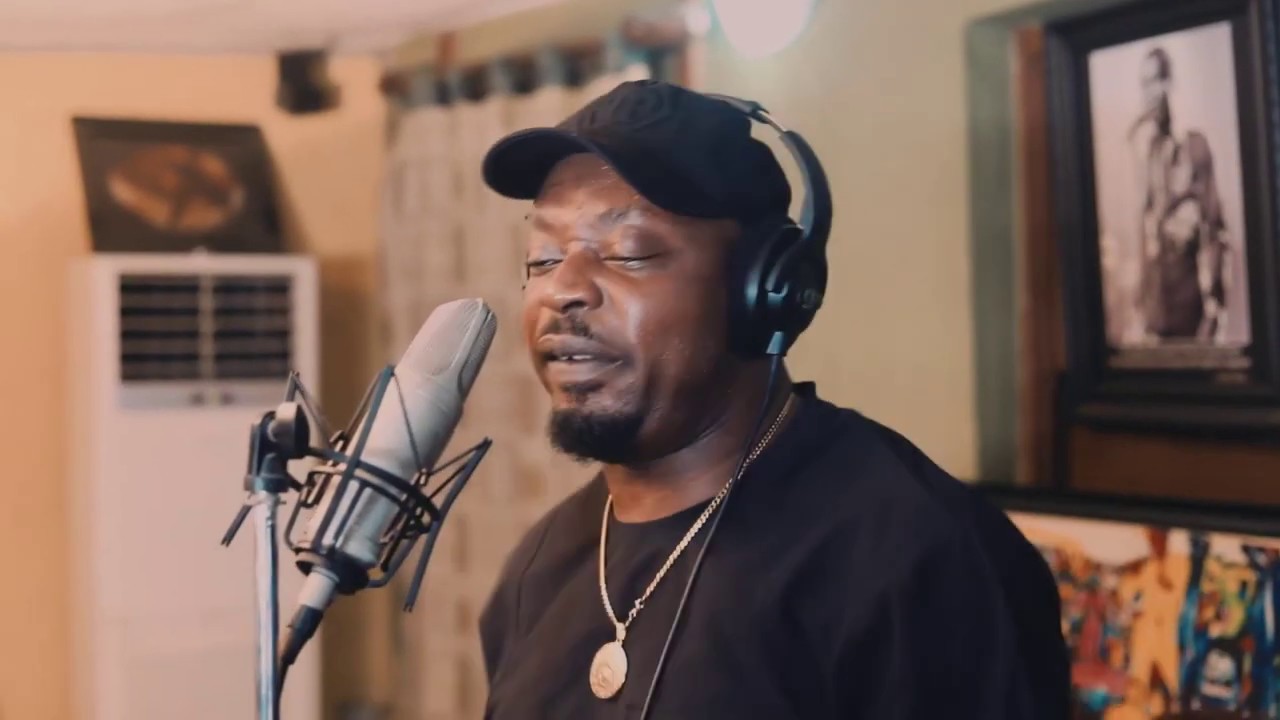
The National Patriots has criticised tax-related claims attributed to Eedris Abdulkareem’s song, Beg Your Papa, arguing that the recording misrepresents important provisions of President Bola Ahmed Tinubu’s tax reforms.

According to a listener-prepared account of the recording, Abdulkareem alleges that a worker earning Nigeria’s ₦70,000 statutory monthly minimum wage will lose 25%, equivalent to ₦17,500, leaving only ₦52,500 for rent, food and family expenses.
The song also reportedly claims that a trader investing ₦80,000 will surrender 25% of that investment to taxation, while market women, pepper sellers, vegetable traders and other small businesses will face similar deductions from their earnings or profits.
These allegations require examination against the legislation itself.
TINUBU’S TAX REFORMS ARE ALREADY LAW
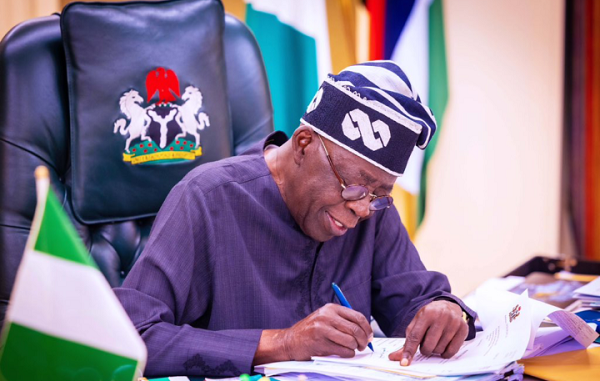
President Bola Ahmed Tinubu signed four major tax reform bills into law on 26 June 2025.
The Nigeria Tax Act commenced on 1 January 2026, contrary to the reported suggestion that the legislation would only take effect after the 2027 presidential election.
The Federal Ministry of Finance has confirmed the commencement date and issued transition guidelines governing implementation.
Watch full video HERE
Speaking on 26 June 2025, President Tinubu described the reforms as delivering:
“They deliver the first major, pro-people tax cuts in a generation, targeted relief for low-income earners, small businesses, and families working hard to make ends meet.”
The President’s statement reflects the administration’s stated objective of creating a fairer taxation framework while protecting economically vulnerable Nigerians.
The proper test of that commitment remains the legislation and its practical implementation.
MINIMUM-WAGE EARNERS ARE EXEMPT
One of the most significant allegations concerns workers earning the ₦70,000 monthly statutory minimum wage.
The song reportedly suggests that government will deduct ₦17,500 from such workers, leaving them with ₦52,500.
Although the arithmetic is correct, the alleged tax obligation is inconsistent with the Nigeria Tax Act 2025.
The legislation exempts qualifying employment income at or below the statutory minimum wage from personal income tax.
For other taxpayers, the Act establishes progressive income-tax bands, beginning with a zero-percent rate on the first ₦800,000 of annual chargeable income.
The next ₦2.2 million falls within the 15% marginal band, while the highest 25% rate applies only to annual taxable income above ₦50 million.
The 25% rate is not a universal deduction from every Nigerian’s salary.
This distinction is fundamental. A worker earning the statutory minimum wage should not be led to believe that the law automatically removes ₦17,500 from a ₦70,000 monthly salary.
MARKET TRADERS ARE NOT AUTOMATICALLY TAXED ON THEIR INVESTMENTS
The recording reportedly extends its warnings to petty traders and small businesses.
One example concerns a trader investing ₦80,000 and allegedly losing 25% of that amount to government taxation.
The National Patriots maintains that this presentation confuses trading capital with taxable income.
Money invested in purchasing goods for resale is not automatically subject to a 25% personal income-tax deduction merely because it has been invested.
A trader’s investment, turnover and taxable profit are different financial concepts.
Actual tax obligations depend on annual chargeable income, allowable deductions, applicable exemptions and the taxpayer’s legal classification.
Qualifying small companies also benefit from statutory tax concessions, subject to the conditions prescribed by law.
These protections do not mean that every business is exempt from every tax. They mean that taxation must be determined under the relevant statutory rules rather than through an assumed universal deduction.
THE 2027 IMPLEMENTATION CLAIM CONTRADICTS OFFICIAL RECORDS
Another disputed assertion concerns the timing of the tax reforms.
According to the listener’s account, the recording suggests that the National Assembly passed the legislation but that implementation will be postponed until after the 2027 presidential election.
The Nigeria Tax Act commenced on 1 January 2026.
That date was reaffirmed by President Tinubu in December 2025 and subsequently confirmed in implementation guidance issued by the Federal Ministry of Finance.
While transitional arrangements may apply to particular obligations, they do not support the assertion that the entire legislation is being withheld until after the election.
The National Patriots considers this an important factual distinction because the commencement date is independently verifiable.
POLITICAL CRITICISM MUST NOT REPLACE FACTUAL ACCURACY
The National Patriots recognises the constitutional right of musicians, entertainers and political commentators to criticise government policies.
The song reportedly addresses Seyi Tinubu, criticises President Tinubu and appeals to Yoruba, Hausa and Igbo audiences.
Its political commentary and appeals to voters should be distinguished from factual statements about enacted legislation.
A prediction of future economic hardship is a political opinion. A claim that an existing law requires a specific compulsory tax deduction is a verifiable proposition.
The National Patriots argues that inaccurate representations of tax law should be corrected through factual public enlightenment.

Nigeria’s economic difficulties are real. Citizens continue to face pressures involving food prices, transportation, employment and household purchasing power.
These concerns deserve serious policy responses and legitimate public debate.
They do not justify inaccurate descriptions of statutory exemptions or tax obligations.
NATIONAL PATRIOTS PREPARES FORMAL NBC PETITION
The National Patriots has prepared a formal petition requesting that the National Broadcasting Commission examine the disputed tax-related claims in Beg Your Papa.
The petition seeks authentication of the complete recording, including reported Hausa-language passages, and examination of any relevant broadcasts by NBC-licensed organisations.
It also requests that the musician and affected broadcasters be afforded an opportunity to respond.

Any regulatory action should follow an evidence-based investigation and comply with the applicable law and constitutional protection of freedom of expression.
The organisation has prepared two supporting documents: a preliminary legal analysis and a listener-prepared account of the recording.
The National Patriots further calls upon relevant tax authorities to intensify public enlightenment in English, Hausa, Yoruba, Igbo and other Nigerian languages.
Market traders, artisans, transport workers, employees and small-business owners deserve clear explanations of their rights, obligations and statutory exemptions.
A successful tax reform must not only be properly legislated; it must also be properly understood and fairly administered.
FOOD FOR THOUGHT
The National Patriots maintains that the reported allegations about compulsory 25% deductions from minimum-wage salaries, trading investments and petty traders’ earnings are inconsistent with the relevant provisions of Nigeria’s tax legislation.
Nigerians should distinguish political commentary from verifiable statements about the law and seek accurate information from authoritative sources.
Music can challenge government, question policy and express public frustration. It should not misrepresent statutory obligations as established facts.
A falsehood does not become the truth simply because it is set to music.
Princess Gloria Adebajo-Fraser, MFR
President, National Patriots
Member APC-PCC Strategic Communications Team.