

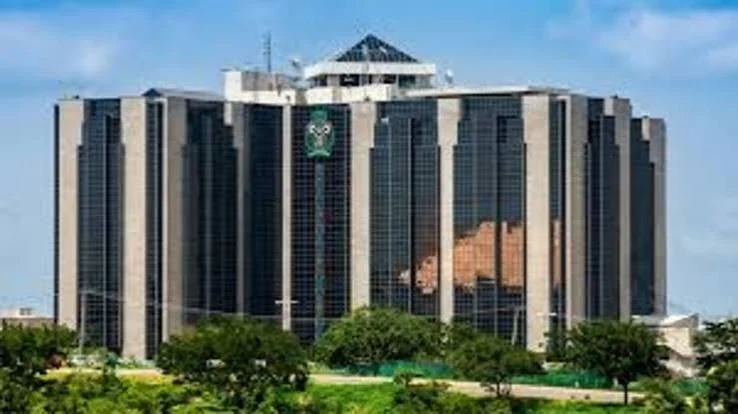
The Central Bank of Nigeria (CBN) has approved the allocation of two additional crude oil export terminals to Swede Control Intertek Limited as part of ongoing efforts to strengthen Nigeria’s crude oil export monitoring and revenue assurance framework.
The development was contained in a circular dated June 15, 2026, issued by the Director of the CBN’s Trade and Exchange Department, Aderinola Shonekan, and addressed to authorised dealer banks, the Nigeria Customs Service, oil sector regulators, terminal operators, and other stakeholders.

According to the circular, the Federal Government approved the assignment of the Cawthorne Terminal and Okwok Terminal to Swede Control Intertek Limited, a pre-shipment inspection agent responsible for verifying crude oil export volumes and documentation before shipment.
The CBN said the company will now oversee inspection responsibilities at the newly allocated terminals, reinforcing its role in ensuring accurate measurement of crude exports and compliance with export and foreign exchange regulations.
Pre-shipment inspection agents are key players in Nigeria’s oil export process, tasked with independently confirming cargo volumes and documentation to support revenue tracking and reduce leakages in the system.

The circular was distributed to major stakeholders across the oil and gas value chain, including the Nigerian Upstream Petroleum Regulatory Commission, the Nigerian National Petroleum Company Limited, and the Nigerian Midstream and Downstream Petroleum Regulatory Authority, among others.
The apex bank directed all relevant agencies and operators to comply with the new arrangement, stating that implementation should proceed without delay.
The latest allocation is part of broader government efforts to improve transparency and accountability in crude oil exports, which remain Nigeria’s largest source of foreign exchange earnings.

In recent months, lawmakers have also intensified scrutiny of the pre-shipment inspection framework, with concerns raised over potential revenue leakages and inconsistencies in the monitoring of crude oil proceeds.

The House of Representatives has been investigating the roles of key agencies involved in export verification to address alleged gaps in oversight and improve accountability across the sector.




