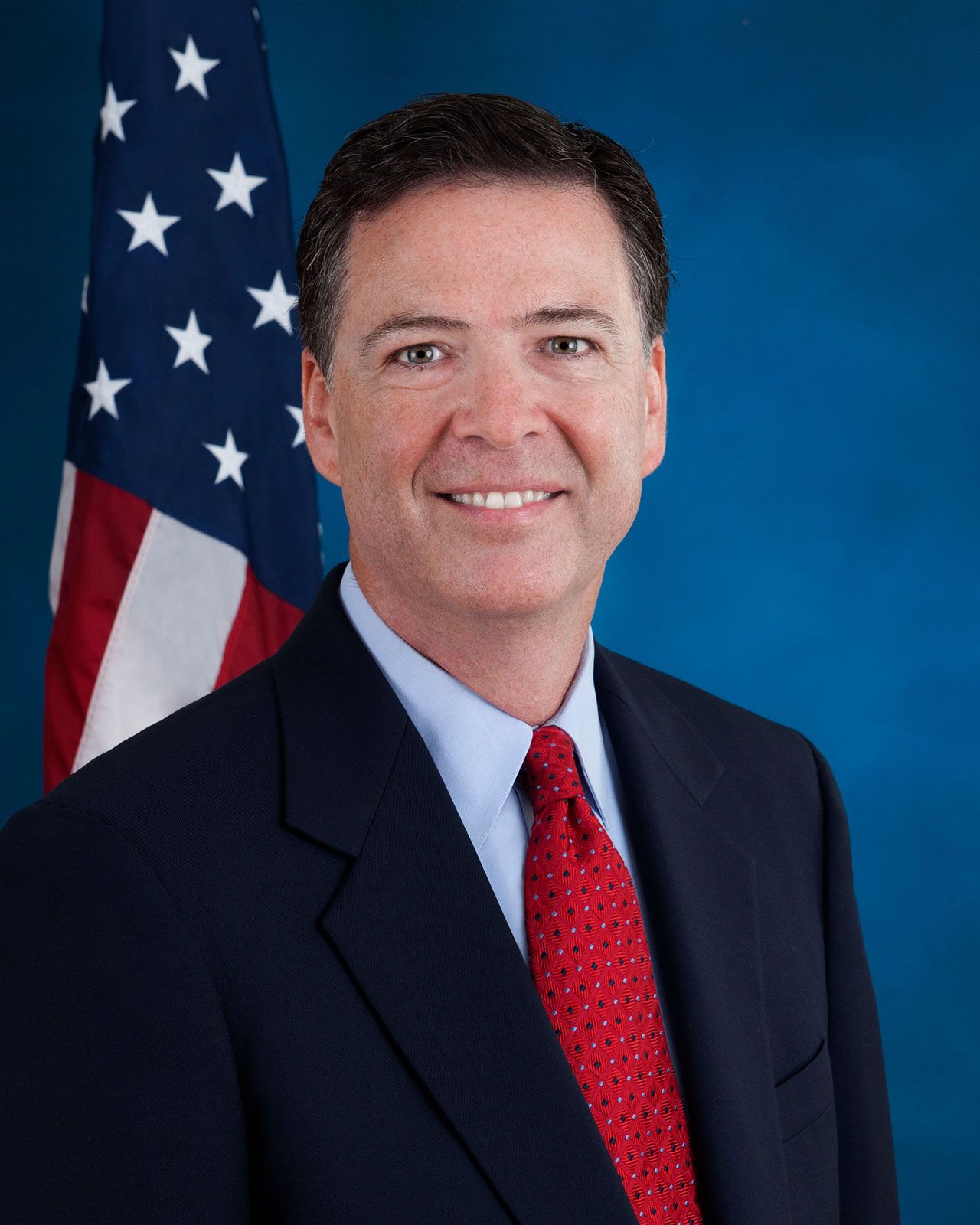
Former FBI Director James Comey is facing renewed legal trouble after a federal grand jury reportedly issued a second indictment against him, according to multiple sources familiar with the case.
The latest action by the U.S. Department of Justice revives a case that had previously collapsed in court due to procedural issues, setting the stage for another high-profile legal and political showdown.
While details of the new charges have not been officially released, the case is believed to stem from a controversial social media post Comey made last year. The post showed seashells arranged to display the numbers “86 47,” a combination that sparked widespread political interpretation and backlash.

Critics, including former President Donald Trump, claimed the numbers carried a coded political message aimed at the 47th U.S. president, arguing that “86” can be slang for removing or getting rid of someone. Comey, however, has strongly denied any such intent.
After deleting the post, he explained that he had viewed the arrangement as a harmless political statement and was unaware of any violent interpretation attached to the numbers. He later stressed that he opposes violence in any form.
Despite his explanation, the post triggered a federal review, including questioning by the U.S. Secret Service.
This new indictment comes after an earlier case against Comey was dismissed in November. That case had accused him of lying to Congress and obstructing a congressional inquiry related to press leaks in 2020. A federal judge threw it out, ruling that the prosecutor involved was not properly appointed, effectively invalidating the proceedings.

However, the court’s decision left room for the case to be refiled correctly, which prosecutors now appear to have done.
The renewed legal action also comes amid heightened political tension in Washington, with Donald Trump repeatedly calling for investigations into his political opponents.
Comey, who had pleaded not guilty before the earlier dismissal, previously warned that he expected continued legal pressure, suggesting he believed he would remain a target of renewed scrutiny.
With the case now back in motion, it is expected to attract significant national attention, given Comey’s central role in past U.S. political controversies and the broader debate it raises about the boundary between political expression and criminal liability.
As proceedings move forward, the case is likely to test not only legal arguments but also the perception of independence within the American justice system.