

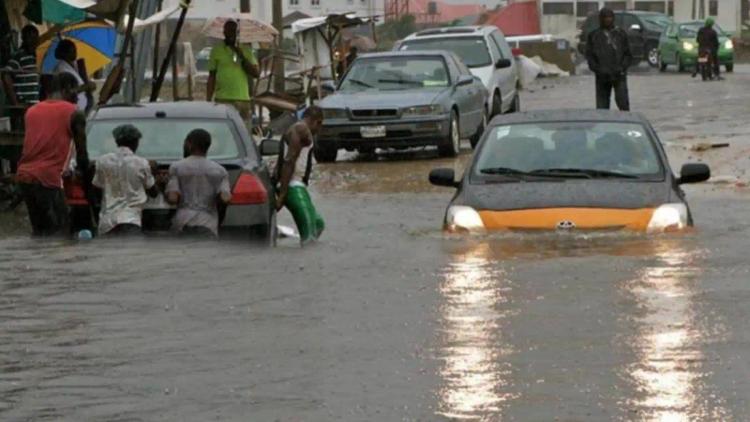
The Nigerian Meteorological Agency (NiMet) has placed 13 states on high alert over the risk of flash flooding between August 11 and 20, 2026, warning residents and emergency authorities to prepare for potentially dangerous flooding.
The affected states are Sokoto, Zamfara, Kebbi, Niger, Kaduna, Nasarawa, Adamawa, Plateau, Benue, Kogi, Taraba, Cross River and Akwa Ibom.
NiMet said the warning was based on several factors, including expected rainfall intensity, soil moisture, drainage capacity, terrain and dam conditions across the affected areas.

The agency noted that the risk is particularly high in low-lying areas, flood-prone communities, urban centres and settlements located near rivers.
The warning comes as several parts of the country continue to experience heavy rainfall during the rainy season, raising concerns about flooding, transportation disruptions and damage to infrastructure.
NiMet warned that flash flooding could lead to road closures and traffic disruptions, while electricity and telecommunications services could also be affected in some communities.
Heavy rainfall could also reduce visibility on roads, creating additional risks for motorists and potentially affecting aviation operations.
FARMERS AND COMMUNITIES FACE RISKS
The expected flooding could have serious consequences for farmers and livestock owners in the affected states.
NiMet said waterlogging could damage crops and farmlands, while livestock could also be at risk if animals are unable to reach safer or higher ground.
Floodwaters may also damage roads, bridges and drainage infrastructure, disrupting movement and access to essential services.

The agency further warned that stagnant floodwater could increase the spread of waterborne diseases, creating additional public health concerns for affected communities.
NIMET URGES RESIDENTS TO PREPARE
NiMet advised residents in vulnerable areas to closely monitor weather updates and alerts from the agency and local emergency management authorities.
It warned residents against attempting to walk or drive through flooded roads, bridges or areas with fast-moving water.
People living in highly vulnerable communities were also advised to remain prepared to move to safer locations if flooding conditions worsen.
The agency urged emergency management authorities to intensify surveillance, deploy response teams ahead of possible emergencies and maintain a high level of preparedness throughout the forecast period.
NiMet stressed that residents should not become complacent, even in areas where the probability of flooding is considered lower, noting that flash floods can develop rapidly during intense rainfall.



