

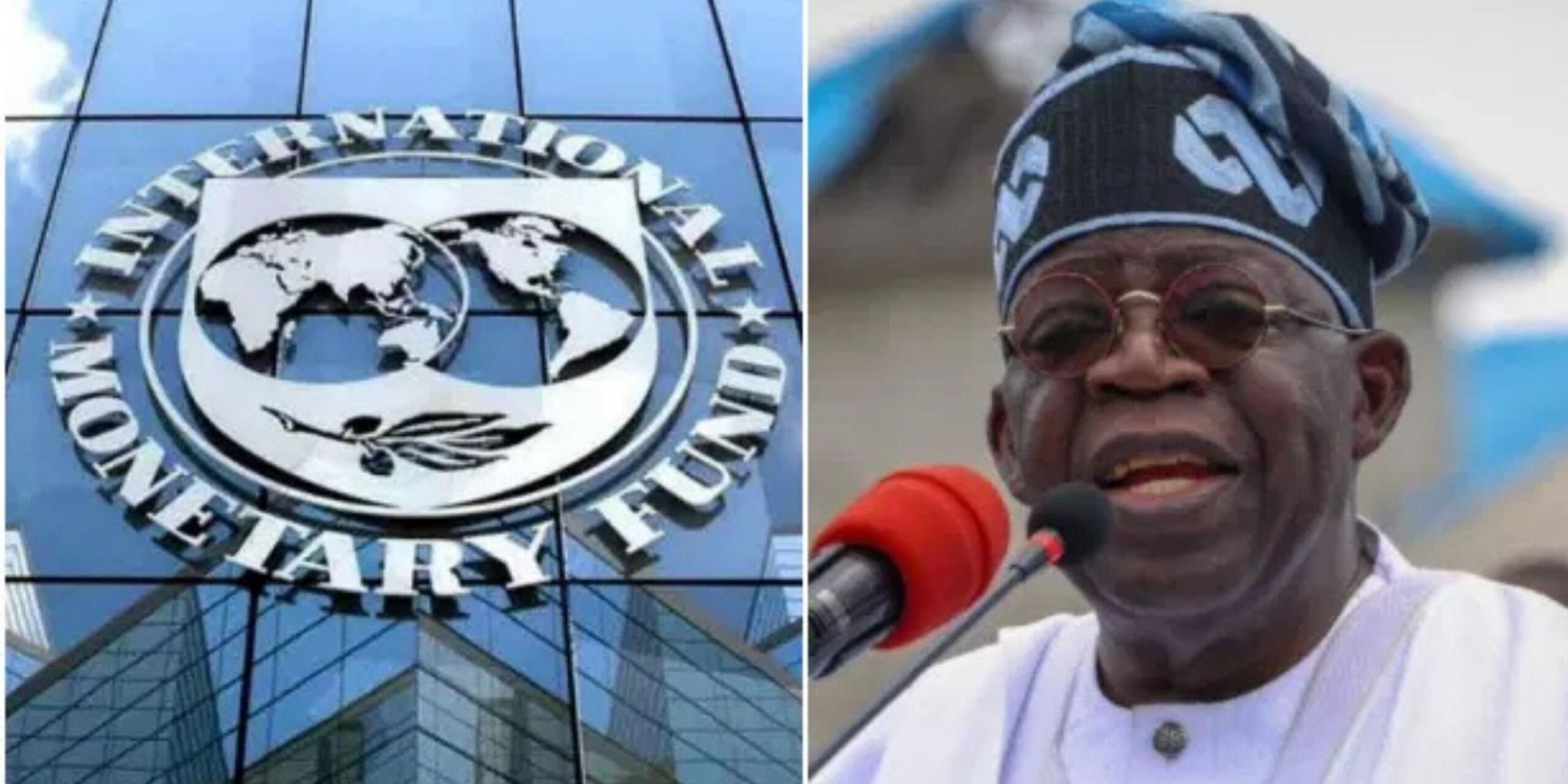
The International Monetary Fund (IMF) has warned that Nigerians should prepare for tougher economic conditions in the coming months as rising food and transportation costs continue to strain household incomes across the country.

The warning comes amid ongoing global economic shocks and geopolitical tensions, especially uncertainty around peace talks between the United States and Iran, which has contributed to a sharp increase in crude oil prices.
While higher oil prices could boost Nigeria’s export earnings, the IMF cautioned that the immediate effect on citizens is likely to be negative due to persistent inflationary pressures and structural weaknesses in the economy.

Nigeria’s crude grades, Brass River and Qua Iboe, recently sold above $113 per barrel, significantly higher than the $60 benchmark used in the 2026 national budget, raising expectations of increased government revenue.
However, analysts say these gains may not translate into improved living conditions as rising transport and food costs continue to drive hardship, especially for urban and rural households already under pressure.

Speaking at the World Bank/IMF Spring Meetings in Washington, IMF officials noted that higher transportation costs are already increasing food prices and worsening food security concerns across many regions.
They explained that expensive logistics and limited access to inputs like fertilizer are adding to production costs, further worsening inflation and reducing purchasing power.

Despite the challenges, the IMF urged governments, including Nigeria, to continue with ongoing economic reforms, warning that reversing policy changes could deepen financial instability.
The Fund highlighted efforts by several countries to stabilize debt levels and reduce fiscal deficits, noting that such measures provide limited room to respond to new economic shocks.
It also stressed the need for governments to prioritize spending efficiency, strengthen domestic revenue generation, and improve tax systems to support long-term stability.

Nigeria’s debt situation was also flagged, with projections indicating a continued rise in the debt-to-GDP ratio over the coming years, reflecting growing fiscal pressures despite reform efforts.
The IMF further warned that global debt risks are increasing due to geopolitical tensions, higher energy prices, and rising defence and food costs worldwide.
Officials also cautioned against the use of broad subsidies, describing them as costly and difficult to sustain, while urging more targeted and efficient policy responses.




