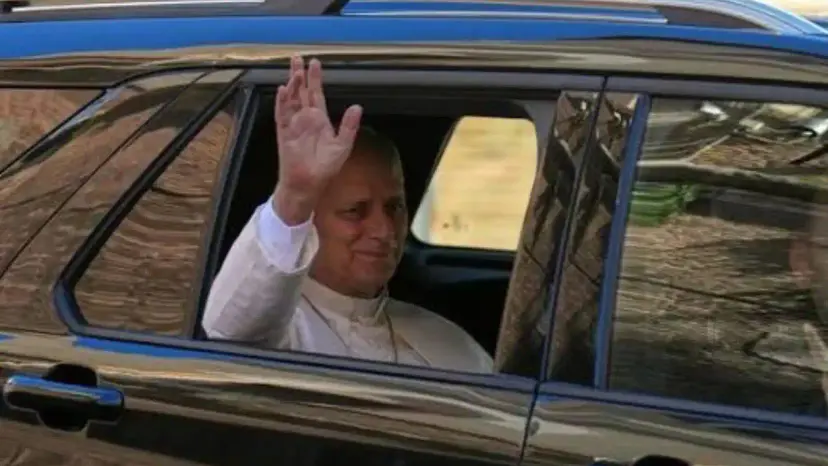
Pope Leo XIV has been diagnosed with lung adenocarcinoma, a common form of lung cancer, following surgery to remove a cancerous growth from his right lung. The diagnosis has drawn international attention to the health of the 71-year-old pontiff and raised questions about his recovery, the seriousness of the disease and whether further treatment will be necessary.

The Vatican confirmed the diagnosis after the Pope underwent surgery at Rome’s Gemelli Hospital on Tuesday, 13 October 2026. Medical updates indicate that the operation was successful, although further details about the cancer remain unavailable.
Here are seven important facts about his condition.
1. THE POPE HAS A COMMON TYPE OF LUNG CANCER
Pope Leo XIV has been diagnosed with lung adenocarcinoma, a form of non-small cell lung cancer. It develops in glandular cells, including those that line the lungs and produce substances such as mucus.
The disease is the most common subtype of lung cancer and can affect both smokers and people who have never smoked. Although some cases grow relatively slowly, the seriousness of the condition depends on its stage and whether it has spread beyond the lungs.

2. DOCTORS REMOVED THE LOWER PART OF HIS RIGHT LUNG
The Pope underwent an operation at Gemelli Hospital in Rome to remove the lower lobe of his right lung, where the cancerous growth was found.
The procedure was reported to have been successful, with no immediate complications. Removing the affected portion of the lung is a recognised treatment for certain localised lung cancers.
The operation’s success is an encouraging development, but further medical assessments will help determine whether surgery alone is sufficient.

3. THE GROWTH WAS DISCOVERED DURING MEDICAL EXAMINATIONS
The lung abnormality was identified during medical examinations before the operation. Pope Leo had previously described the growth as small and localised, explaining that doctors considered surgery the most appropriate course of action.
Early detection can be particularly important in treating lung cancer because it may allow doctors to remove a tumour before it spreads to other parts of the body.
However, the exact stage of the Pope’s cancer has not been publicly confirmed.

4. LUNG CANCER CAN AFFECT PEOPLE WHO DO NOT SMOKE
Smoking remains a major risk factor for lung cancer, but it is not the only cause. Lung adenocarcinoma is also frequently diagnosed in people who have never smoked.
Other possible risk factors include exposure to radon gas, asbestos, second-hand smoke and air pollution, as well as certain occupational hazards.
Pope Leo is not publicly known to be a smoker. His diagnosis highlights the fact that lung cancer can occur even in people without a known history of smoking.

5. HIS RECOVERY WILL DEPEND ON SEVERAL MEDICAL FACTORS
The Pope’s prognosis will depend on the cancer’s stage, whether it has spread, his general health and the results of further examinations.
Doctors have reported encouraging signs following the operation. However, the Vatican has not disclosed all the clinical details needed to establish the long-term outlook.
For some patients with localised lung adenocarcinoma, surgery may be sufficient. Others may require additional treatment, depending on the findings from laboratory tests and examinations of the removed tissue.

6. FURTHER TREATMENT MAY STILL BE NECESSARY
Although the cancerous growth has been removed, doctors may need to determine whether any cancer cells remain or whether the disease has spread to nearby lymph nodes or other parts of the body.
Depending on those findings, treatment could include chemotherapy, radiotherapy, targeted medicines or immunotherapy. These options are not automatically required for every patient.
The Vatican has not confirmed whether Pope Leo will undergo any additional cancer treatment. His medical team will make that decision based on the available evidence.

7. HIS HEALTH HAS RAISED QUESTIONS ABOUT HIS PUBLIC ENGAGEMENTS
The diagnosis comes as Pope Leo continues his responsibilities as head of the Roman Catholic Church. His health and recovery are therefore important not only to him personally but also to the wider Catholic community.
The Vatican has temporarily cancelled his public engagements through 20 October to allow him time to recover. His condition may influence his schedule in the coming weeks, although any longer-term changes will depend on his progress.
Catholics and other well-wishers around the world have expressed concern and offered prayers for his recovery.

CONCLUSION
Pope Leo XIV’s diagnosis of lung adenocarcinoma is a significant health development, but the successful surgery and encouraging early recovery reports offer reasons for cautious optimism.
The most important outstanding questions concern the cancer’s stage, whether it has spread and whether further treatment will be required. Until the Vatican releases additional medical information, any conclusion about his long-term prognosis should be treated with caution.
For now, the focus remains on the Pope’s recovery and the medical assessments that will guide his next steps.