

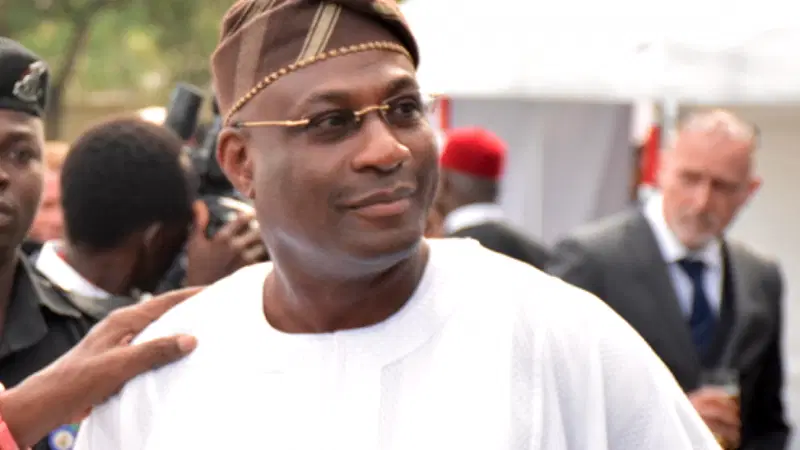
Retired Commissioner of Police, Fatai Owoseni, has again expressed strong views on Nigeria’s worsening insecurity, arguing that the core challenge is not the structure of the security system but issues of leadership, trust, and effective local engagement. Having served in key states such as Lagos and Benue and currently advising the Oyo State Government on security matters, he insists that governors already possess enough authority and tools to take decisive action without relying heavily on the federal government.
Reacting to recent attacks in Jos, Plateau State, Owoseni described the repeated violence as a sign that something fundamental is missing in Nigeria’s security approach. He stressed that intelligence gathering remains a major gap, adding that technology alone cannot solve insecurity without strong human intelligence backed by trust between citizens and security agencies.

He explained that if communities have confidence in security operatives, they will provide timely and useful information that could prevent attacks. According to him, Nigeria must stop depending on foreign models and instead develop solutions tailored to its own environment and realities.

On the role of political leaders, Owoseni argued that governors should not wait for presidential intervention before addressing security challenges in their states. He maintained that each governor effectively acts as the chief security authority within their domain and should conduct proper threat assessments and coordinate responses locally. He also criticised absentee local government leadership, saying many officials are disconnected from the communities they are meant to serve.

Speaking further, he rejected the idea that every security challenge requires fact-finding committees composed of outsiders, arguing that real solutions must involve community participation and trust. He pointed to past successes in Lagos, where collaboration between government, security agencies, and residents helped reduce armed robbery and kidnapping.
In Oyo State, he said a similar integrated security model is being applied, combining formal security agencies with community-based structures, though he admitted that challenges still exist.

Owoseni also dismissed the notion that insecurity is inevitable during elections, describing it as a failure of leadership and accountability when violence is allowed to persist despite being predictable.
On the debate around state police, he said it is not a complete solution to Nigeria’s security problems. Instead, he argued for improved coordination, better resource allocation, and stronger familiarity between security personnel and local communities within the existing system.
He further warned against ethnicising crime, stressing that criminals should not be labelled based on tribe or religion, as doing so weakens national unity and undermines security efforts.
Owoseni concluded that insecurity in places like Plateau State and other parts of Nigeria persists due to systemic failure, weak policing structures, and lack of political accountability. He urged communities to take more responsibility for their own safety through vigilance, cooperation, and active participation in local security arrangements.




