

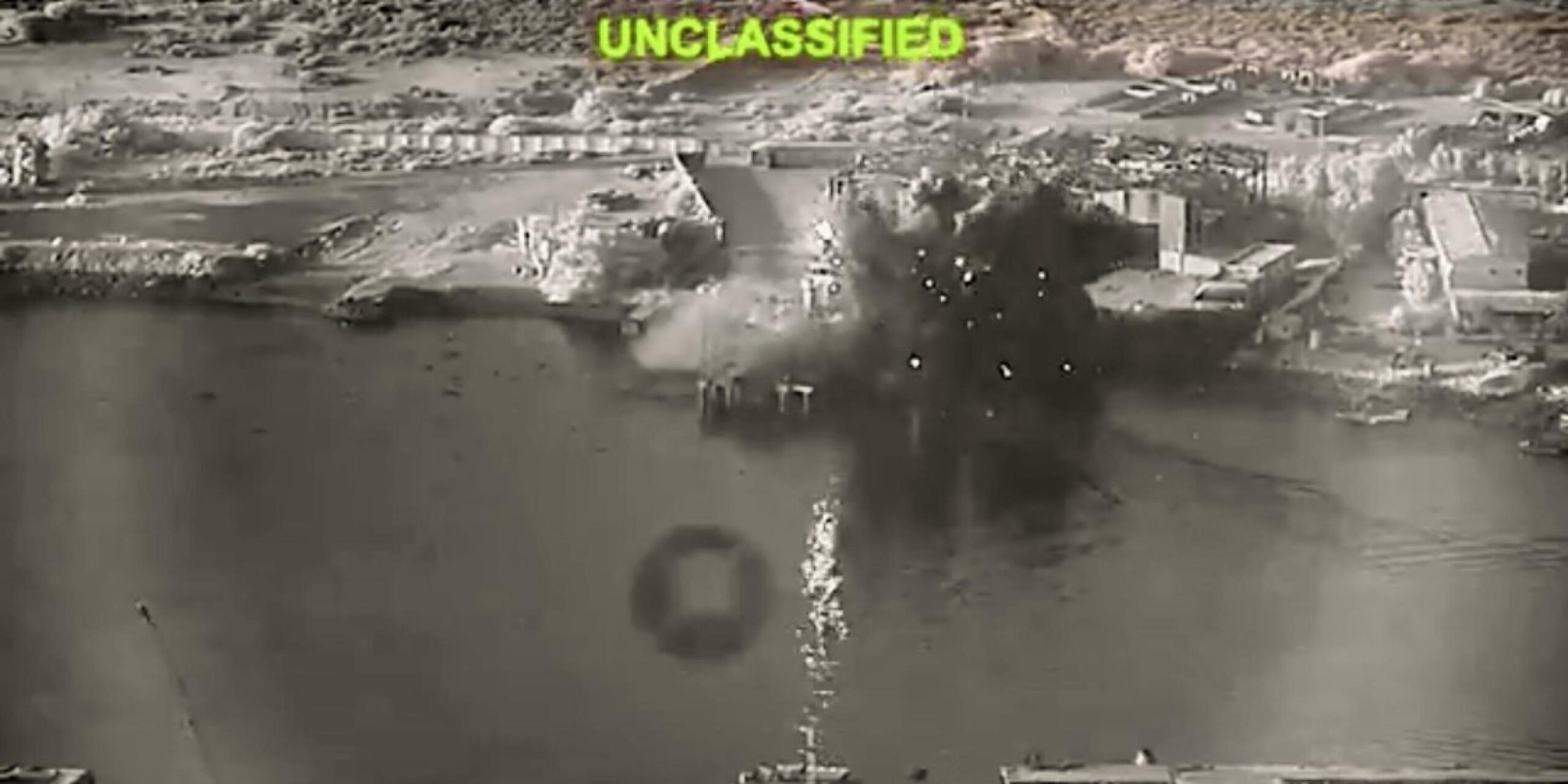
The United States has carried out a third straight night of airstrikes on Iran, further intensifying the growing confrontation between Washington and Tehran over security in the Strait of Hormuz, a key global oil shipping route.
The latest military operation was confirmed by the U.S. Central Command (CENTCOM) in a statement shared on its official X account on Monday. According to the command, the strikes began at approximately 4:45 p.m. Eastern Time under the directive of President Donald Trump.

CENTCOM stated that the operation is designed to weaken Iran’s military capabilities and reduce its ability to target commercial vessels operating in the Gulf.
The military command said the continued strikes are intended to impose significant losses on Iranian forces while protecting civilian lives and ensuring the safety of international shipping through the Strait of Hormuz.
The renewed attacks followed the breakdown of indirect negotiations between the United States and Iran concerning the future security of the strategic waterway. Mediation efforts led by Oman reportedly ended without progress after both nations accused each other of breaching earlier agreements on regional security and freedom of navigation.

Since the collapse of the talks, hostilities have intensified. Iran has claimed responsibility for attacks on U.S.-associated military facilities in Bahrain, Kuwait and Oman, while the United States has continued extensive air operations targeting Iranian military infrastructure.
President Donald Trump also adopted a firmer stance during a recent interview, saying U.S. forces had inflicted major damage on Iran’s military assets after accusing Tehran of violating previous agreements.
He stated that much of Iran’s military equipment, including anti-aircraft systems, had been destroyed and suggested that the United States could take on a long-term role in safeguarding the Strait of Hormuz. Trump added that countries benefiting from the vital shipping route should contribute financially toward maintaining its security.

According to U.S. military officials, hundreds of precision strikes have been conducted in recent days against Iranian missile launch sites, drone facilities, naval assets, radar systems, air defence installations and command centres in an effort to reduce threats to maritime traffic.
The United States maintains that the operations are aimed at protecting the uninterrupted movement of commercial shipping through one of the world’s busiest energy corridors.
Iran, however, insists the strikes violate its sovereignty and says its military actions are defensive responses to attacks by the United States and its allies. Iranian authorities have also warned that continued American military operations could trigger broader instability across the Gulf.

The Strait of Hormuz is responsible for transporting about one-fifth of global seaborne crude oil exports, making any disruption capable of driving international oil prices significantly higher.
For Nigeria, prolonged tensions in the region could bring mixed economic consequences. Rising global crude oil prices may boost the country’s export earnings, government revenue and foreign exchange inflows. However, analysts caution that the conflict could also increase the prices of imported refined petroleum products, aviation fuel, fertiliser, food items and shipping insurance, adding further pressure on inflation and transportation costs.
The ongoing crisis could also disrupt global supply chains and raise freight costs for goods entering Nigerian ports, creating additional challenges for the country’s economic recovery.




