

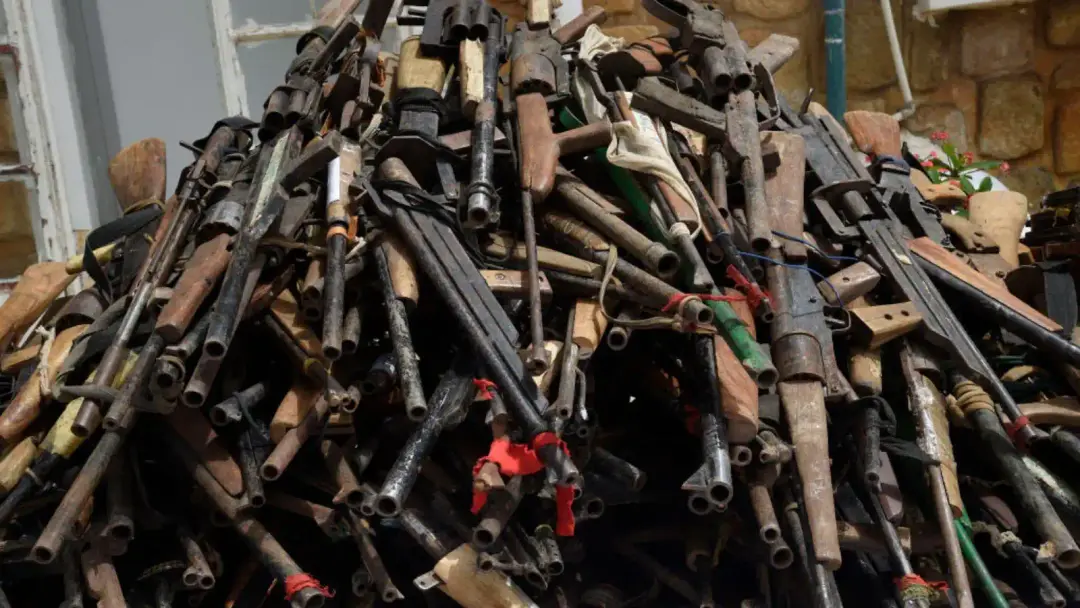
The United Nations has revealed that weapons stolen during Libya’s 2011 conflict later resurfaced across parts of West Africa, including Nigeria, where they eventually ended up in the hands of extremist groups.

The disclosure was made by UN under-secretary-general for disarmament affairs, Izumi Nakamitsu, during a briefing at the UN Headquarters in New York on the global spread of illegal firearms and its impact on peace and security.
She explained that arms looted or diverted during wars often remain in circulation for many years after conflicts end, creating long-term security risks far beyond the original battlefield.

According to her, weapons taken after the fall of former Libyan leader Muammar Gaddafi were later traced across several countries, including Niger, Burkina Faso, and Nigeria.
She noted that some of these weapons eventually reached extremist groups, showing how instability in one country can spill over and fuel insecurity in entire regions such as the Sahel.
The UN official warned that the continued spread of small arms and light weapons is undermining peacebuilding efforts and prolonging cycles of violence in affected areas.

She added that the issue goes beyond security alone, stressing its links to human rights violations, terrorism, and gender-based violence, and describing it as both a development and peace challenge.
Nakamitsu further explained that even after wars officially end, weapons are often hidden, stockpiled, or trafficked across borders, making them extremely difficult to track and control.

She also raised concerns about emerging threats such as 3D-printed firearms, ghost guns, and increasingly complex trafficking networks, which are making global efforts to curb illegal arms flow even more challenging.




