The Ujevwu–Itakpe railway service in Nigeria has faced repeated suspensions and operational challenges, raising concerns about passenger safety, reliability and the livelihoods of communities that depend on the route. The 327-kilometre Itakpe–Warri standard-gauge railway, which includes Ujevwu station in Delta State, was completed and commissioned in 2020 after 33 years of construction. However, despite its promise of improved transportation and economic opportunities, passengers have continued to experience disruptions.

The Nigerian Railway Corporation (NRC) suspended services several times due to technical and operational problems, including engine failures and track repairs. In 2025, the service was halted for maintenance before resuming on October 29, but another setback followed when a train derailed near Agbor days later. The NRC suspended operations for safety and security checks, with preliminary findings pointing to suspected track vandalism. Two suspects were subsequently arrested, and the service eventually resumed.

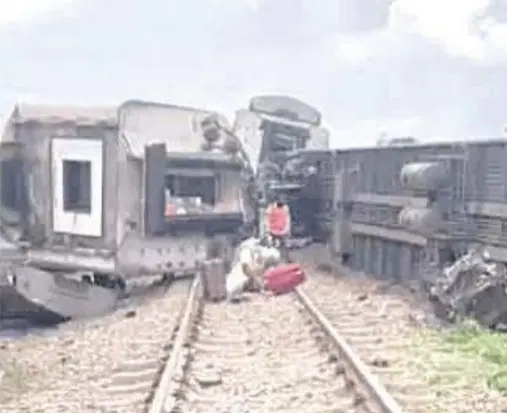
Another suspension occurred in 2026, with the NRC citing operational challenges and technical advice from engineers. On June 8, a train travelling from Itakpe derailed near Owa-Oyibu in Delta State, killing four people and injuring 64 others. The train was carrying 482 people, including 442 passengers and 40 operational personnel. Five coaches, a locomotive and a power car were affected, with three coaches and the power car overturning.

The cause of the June derailment remains under investigation. An NRC preliminary report released in August suggested a possible sudden bogie or wheel defect while the train was moving, and that the manner of brake application may have contributed to the severity of the incident. The corporation stressed that these were not final findings, as an independent investigation by the Nigerian Safety Investigation Bureau was ongoing. Unlike the earlier incidents, investigators reported no evidence of track vandalism at the June crash site.

Beyond the safety concerns, repeated service interruptions have affected passengers, traders, transport operators and small businesses around Ujevwu station. The movement of passengers supports local economic activities, including food sales and commercial transport. When services stop, businesses that depend on railway traffic also lose customers and income. Residents and stakeholders have therefore continued to call for more reliable rail services and additional trains to reduce pressure on road transportation.

The NRC says the track has been restored, while locomotives are undergoing reconditioning. The corporation has indicated that service resumption will depend on detailed safety audits of the track and equipment. Meanwhile, the Governor and government authorities face broader questions about maintaining infrastructure, preventing vandalism, addressing technical failures, and ensuring passenger safety. Although the railway remains in place, the challenge is to restore consistent service so passengers and businesses can depend on it.