

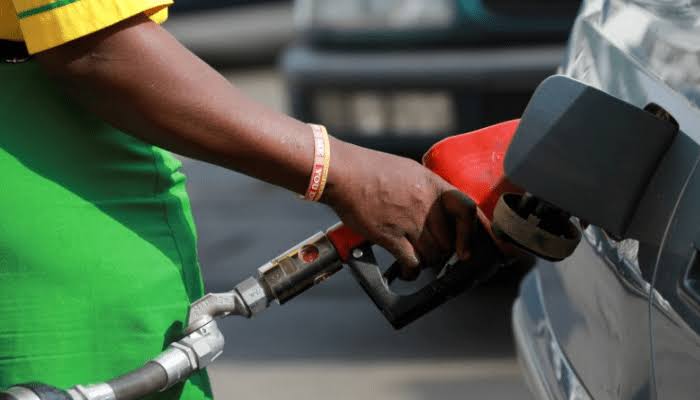
Nigeria’s removal of petrol subsidy, announced by President Bola Ahmed Tinubu during his inauguration on 29 May 2023, has reshaped the country’s fiscal landscape, unlocking higher government revenues while also triggering widespread economic pressure on citizens.

The policy, which ended decades of government-backed fuel price support, was aimed at stopping massive annual losses that had long drained public finances and benefited middlemen and other vested interests. Now, three years later in 2026, the impact is being assessed with mixed conclusions.

On the fiscal side, the government has recorded significant gains. With the subsidy removed, the Nigerian National Petroleum Company Limited (NNPCL) no longer absorbs trillions of naira in “under-recovery” costs, allowing higher inflows into the Federation Account Allocation Committee (FAAC). Reports indicate that in 2024 alone, savings linked to the reform reached about $7.5 billion (around ₦12 trillion), contributing to a sharp rise in FAAC disbursements from ₦16.28 trillion in 2023 to ₦28.78 trillion in 2024.
State governments have been major beneficiaries of these inflows, using increased allocations to clear outstanding debts, support payroll obligations, and revive stalled development projects. The trend reportedly continued into 2025, with further billions in savings and rising quarterly petroleum-related revenues.

However, the lack of a dedicated savings mechanism has made tracking the exact use of these funds difficult, fueling criticism from civil society organisations such as SERAP and BudgIT, which have called for greater transparency in how states deploy the additional revenue.
The federal government has defended the policy, pointing to interventions such as temporary grants for food and fertiliser distribution, expanded social safety nets, and investment in student loans through the Nigerian Education Loan Fund (NELFUND), which has disbursed over ₦206 billion to more than one million students. Funds have also supported the Presidential Compressed Natural Gas (CNG) initiative and major infrastructure projects, including highways, rail lines, and port modernisation efforts. A significant share has also gone into debt servicing, helping reduce the fiscal deficit.

Despite these macroeconomic gains, the everyday experience for many Nigerians tells a different story. Fuel prices have surged dramatically from under ₦200 to over ₦1,300 per litre, driving up transportation and food costs and deepening the cost-of-living crisis. Inflation and currency depreciation have further reduced purchasing power, making government allocations far less impactful in real terms.
While FAAC distributions have reached record levels, critics argue that the benefits are being eroded by inflation, rising debt obligations, and inefficiencies in public spending. As a result, public frustration is growing over the gap between improved government revenues and persistent economic hardship.
Overall, the subsidy removal is widely seen as a necessary fiscal reform that stabilized Nigeria’s finances, but its success remains debated due to the disconnect between government gains and citizens’ lived realities.




