

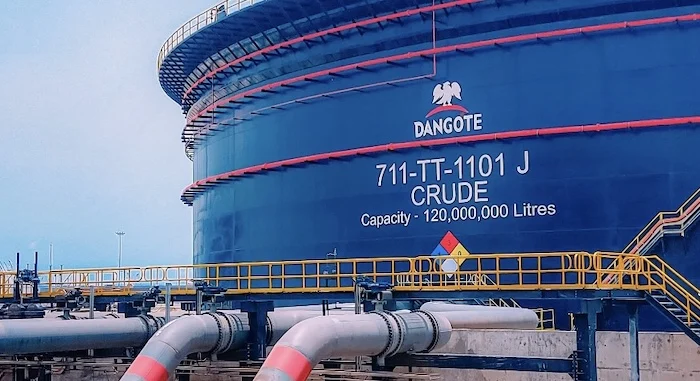
The expansion of the Dangote Petroleum Refinery has led to a significant reduction in clean petroleum product imports across West Africa, reshaping regional fuel trade and reducing tanker activity, according to industry data.

Reports based on commodities tracking indicate that imports of refined petroleum products in West Africa fell from about 997,000 barrels per day in April to 765,000 barrels per day in May, marking a drop of roughly 23%.
Shipping analysts noted that as the Nigerian refinery increased production capacity, it began replacing a large share of imported fuel that previously supplied the region. This shift has led to a noticeable decline in overall shipping demand tied to fuel imports.

Industry observers also reported that total import volumes dropped sharply over the period, with tanker shipping activity affected as trade patterns adjusted to increased local supply.
Large crude and product tankers recorded the steepest declines in activity, while medium-range vessels saw a smaller impact, partly because alternative supply routes from the Americas helped offset some of the losses.

Traditionally, fuel shipments from Europe to West Africa—especially from Rotterdam to Lagos—formed a major trade route for tankers. However, this corridor has weakened as Nigeria’s domestic refining capacity continues to grow.

Analysts further noted that Nigerian refined product imports have fallen significantly year-on-year, reducing demand for international tanker services in the Atlantic region.




