

By Headlinenews.news
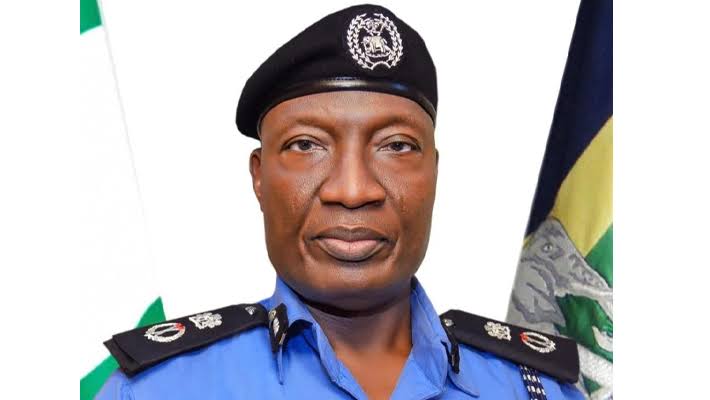
In an era where a single social media post can travel across the country in seconds, Assistant Inspector-General of Police, Zone 2, AIG Olohundare Moshood Jimoh, has warned that misinformation is emerging as one of Nigeria’s most dangerous security challenges, urging citizens to distinguish between legitimate criticism of the police and the deliberate spread of falsehood capable of endangering lives and undermining national security.
Addressing participants at the Political Intelligence Summit and Youth-Police Engagement Programme in Lagos, the senior police officer made it clear that the Nigeria Police welcomes constructive public scrutiny, but cautioned that fabricated stories, manipulated narratives and unverified allegations are increasingly frustrating security operations and weakening public confidence.
“Criticise us when we are wrong, but verify information before sharing it,” Jimoh declared, adding that “the fear of crime is sometimes worse than crime itself.”
The statement reflects a growing concern among security professionals that the battle against crime is no longer fought only on the streets, forests or highways, but increasingly in the digital space, where false information can spread faster than official facts.
According to the AIG, criticism is indispensable in any democratic society because it compels public institutions to improve. However, he stressed that accountability must never be confused with misinformation or deliberate attempts to discredit legitimate security operations.
His intervention comes at a period when Nigeria continues to confront terrorism, kidnapping, banditry, organised crime and cyber-enabled offences, all of which require strong collaboration between citizens and law enforcement agencies.
Security experts have repeatedly maintained that intelligence supplied by members of the public remains one of the most effective weapons against criminal networks. That relationship, however, can only flourish where trust exists between the police and the communities they serve.
Jimoh therefore challenged Nigerian youths to become active partners in community policing by supplying credible intelligence, verifying information before sharing it and rejecting online content designed to inflame emotions or create unnecessary panic.
Comparatively, several advanced policing jurisdictions across Europe, North America and Asia have intensified efforts to combat digital misinformation because false reports have repeatedly disrupted emergency responses, complicated criminal investigations and damaged public confidence in law enforcement institutions.
Nigeria is increasingly confronting similar realities. Viral falsehoods have, on several occasions, generated avoidable panic, diverted security resources and complicated ongoing investigations, demonstrating that misinformation itself can become a force multiplier for criminal elements.

The AIG reaffirmed the commitment of the Nigeria Police Force to professionalism, transparency and continuous improvement, while encouraging citizens to continue demanding accountability whenever officers fall below expected standards.
His position offers a balanced perspective rarely heard in public discourse: the police are not asking Nigerians to remain silent in the face of misconduct. Rather, they are asking that criticism be rooted in truth, evidence and responsible civic engagement.
As Nigeria strengthens its security architecture through expanded military capability, intelligence-led policing and deeper community partnerships, the quality of information available to security agencies will become increasingly decisive. In the fight against crime, truth is more than a moral obligation—it is a strategic asset. And as AIG Jimoh aptly observed, “Criticise us when we are wrong, but verify information before sharing it.” That may well be one of the most important security messages Nigerians need to embrace in the digital age.
The National Patriots commends AIG Olohundare Moshood Jimoh for acknowledging that the police must remain accountable to Nigerians while cautioning against the dangers of misinformation. Democracy thrives on constructive criticism rooted in truth, not falsehood. We urge citizens to verify information before sharing it and to work closely with security agencies in building a safer, more peaceful and united Nigeria.
Dr. Imran Khazaly
Headlinenews.news Special Report.




