

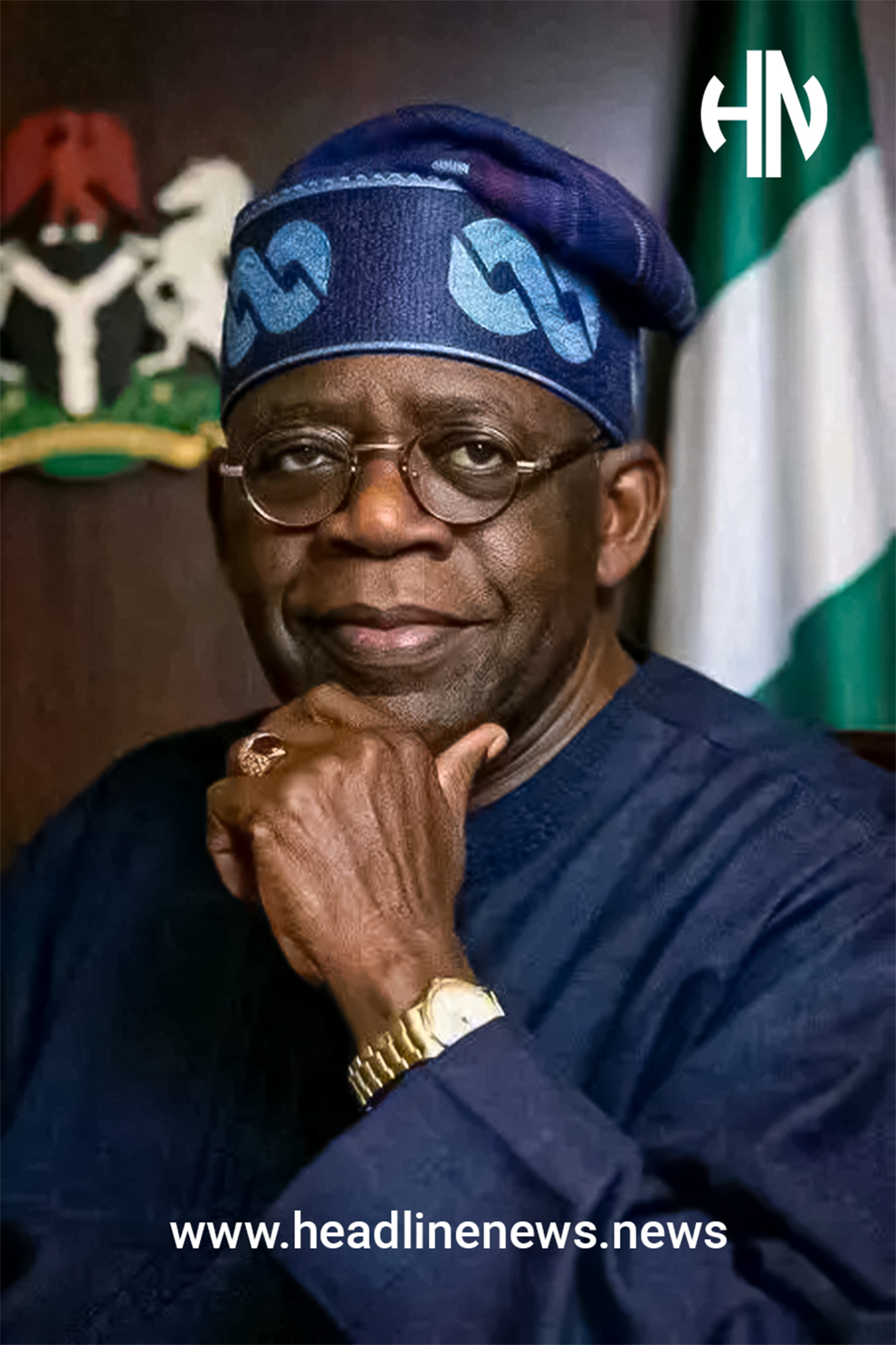
Beyond the Hunger Narrative: Why the Tinubu Administration Deserves a More Balanced Assessment
The debate sparked by Presidential spokesman Bayo Onanuga’s remarks on hunger reflects the broader challenge facing Nigeria today: how to reconcile the genuine pain experienced by millions with the equally undeniable evidence that structural reforms and investments are beginning to yield benefits.

There should be no attempt to deny hardship. Millions of Nigerians are under pressure from inflation, insecurity and the aftershocks of reforms that were postponed for decades. International agencies have warned that between 27 million and 35 million Nigerians face varying degrees of food insecurity. That is a serious challenge requiring urgent intervention.
However, 35 million people represent approximately 15 per cent of Nigeria’s population, not 80 per cent. Nigeria is not experiencing famine or economic collapse. Rather, it is going through a difficult transition period in which reforms are painful but intended to create long-term stability.
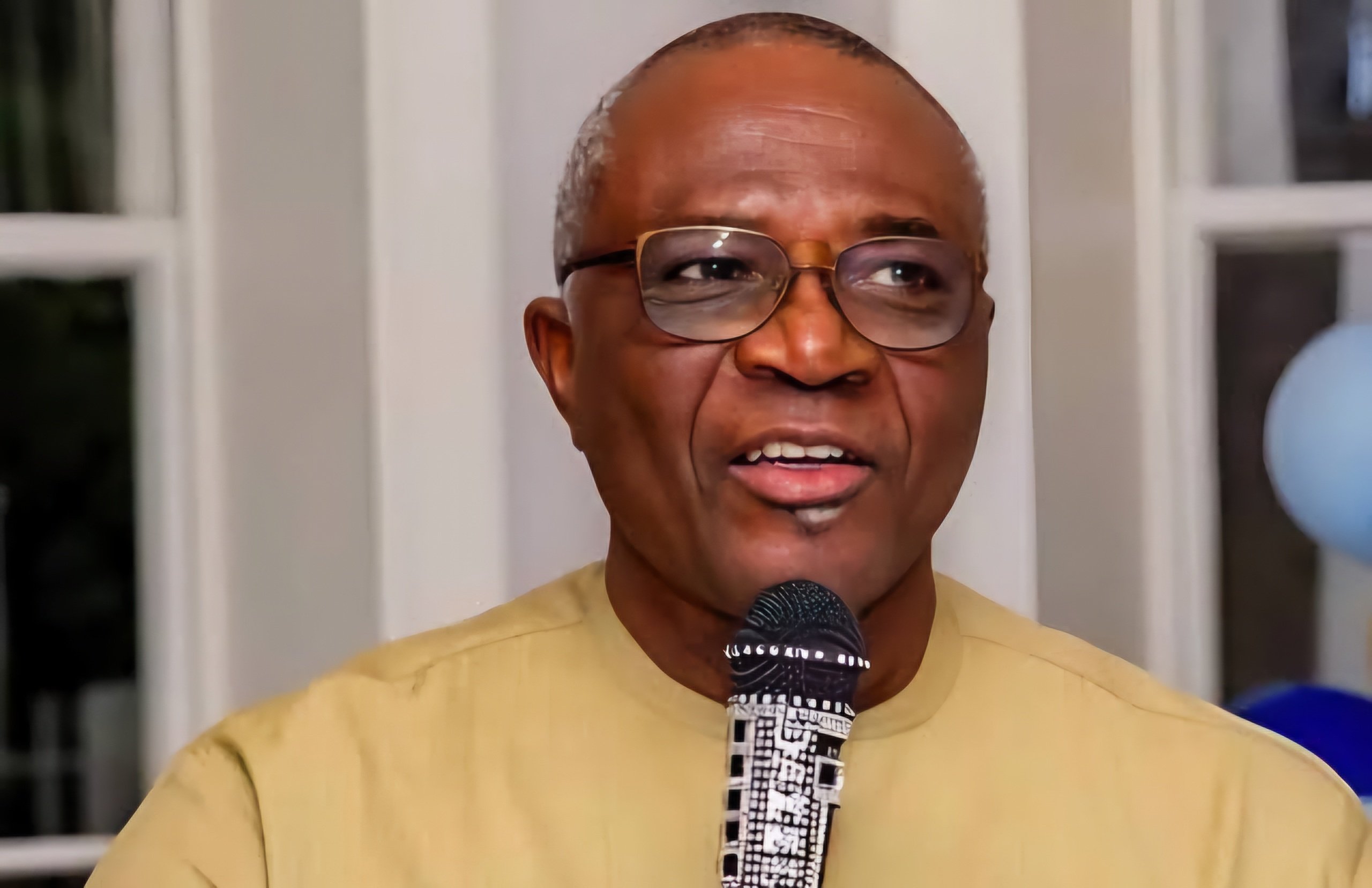
In this context, Bayo Onanuga’s comments deserve a more balanced interpretation.
His argument was not that there is no hardship. Rather, it was that the narrative portraying Nigeria as a nation where virtually everyone is hungry and where nothing positive is happening does not align with observable realities.
Across the country, roads are being built and reconstructed. The Lagos-Calabar Coastal Highway, Sokoto-Badagry Super Highway, rail projects, student loans and consumer credit initiatives are tangible interventions whose benefits are becoming visible.
Thousands of students are already benefiting from the Nigerian Education Loan Fund. Workers and civil servants are accessing lower-cost credit facilities. Travel times are reducing in many places due to improved road infrastructure. These are not abstract policies; they are real interventions with measurable impacts.
Supporters of the administration also argue that perhaps the most misunderstood aspect of President Tinubu’s reforms is the unprecedented increase in revenues accruing to states and local governments.
Following subsidy removal and fiscal reforms, subnational governments are receiving significantly more resources than at any point in Nigeria’s democratic history. These funds were intended to create safety nets, expand healthcare, support agriculture, improve transportation and cushion the effects of economic reforms.
The challenge, therefore, may not simply be the availability of funds but the accountability and effectiveness of those responsible for implementing programmes at the state and local government levels.
Similarly, local government autonomy championed by the administration seeks to ensure that resources reach communities directly and that grassroots populations benefit from the dividends of democracy.

The administration has also pursued tax reforms designed to reduce burdens on vulnerable groups while creating sustainable revenue streams to support healthcare, education and infrastructure.
Another achievement that has received relatively little public attention is the strengthening of consumer protection through the Federal Competition and Consumer Protection Commission (FCCPC). By discouraging exploitative pricing, anti-competitive practices and artificial scarcity, the Commission has helped restore some stability to markets.
Indeed, one uncomfortable truth often overlooked in discussions about inflation is that Nigerians themselves sometimes contribute to rising costs. Artificial scarcity, hoarding and excessive profiteering by some middlemen and traders have often amplified inflationary pressures. At various periods, food products and services experienced sharp price increases driven not only by supply constraints but also by speculative practices.

Therefore, blaming government alone may oversimplify a more complex reality.
Global circumstances must also be considered.
The Russia-Ukraine war, instability in the Middle East and disruptions to global supply chains have contributed to inflation and cost-of-living pressures across the world. Countries from the United Kingdom to Germany and Canada have struggled with rising food and energy costs. Nigeria’s experience, while severe, is not unique.
Critics are right to demand quicker relief and more visible benefits. But supporters of the administration contend that decades of distortions cannot be corrected overnight and that many reforms now underway were necessary to avoid a deeper crisis.

Perhaps the biggest challenge confronting the Tinubu administration is not merely policy implementation but perception management.
Infrastructure projects, student loans, consumer credits, local government autonomy, increased allocations to states and tax reforms have not always received the same attention as hardship and inflation. Opposition politics and public frustration have often combined to overshadow the broader objectives behind the reforms.

Yet even supporters agree that the administration must do more.
Safety nets and palliatives must become more visible. States and local governments must be held accountable for the unprecedented revenues they receive. Citizens must see and feel the benefits of reforms in their daily lives.
Economic reforms are not judged by intentions but by outcomes.
President Tinubu’s vision appears to be one of laying the foundations for long-term prosperity. Whether that vision succeeds will depend not only on Abuja but on the effectiveness of all three tiers of government and the willingness of Nigerians themselves to reject profiteering, embrace productivity and work collectively towards national renewal.
In the end, the choice facing Nigeria is not between reform and comfort. It is between difficult reforms today and potentially deeper crises tomorrow.
The challenge for the Tinubu administration is to ensure that hope reaches ordinary citizens before hardship overwhelms patience.
G. Fraser. MFR
Headlinenews.News Special Report




