

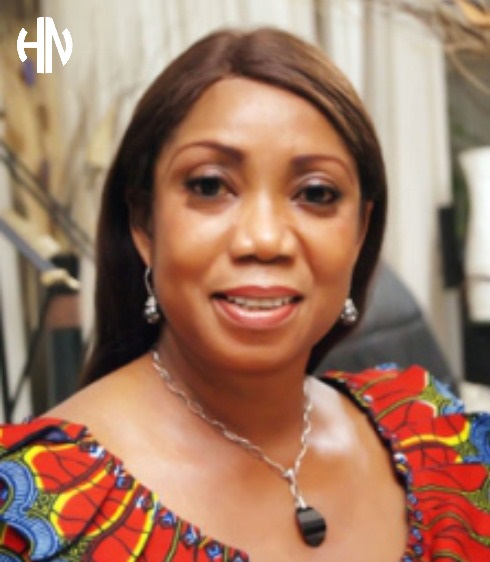
By Gloria Fraser MFR
Few events in a democracy generate stronger emotions than presidential elections. Candidates invest enormous political capital, supporters become deeply committed to their preferred outcome, and post-election disagreements are not uncommon. Yet the strength of a constitutional democracy lies in its ability to distinguish between political conviction and legally established fact.
Recent reports that Peter Obi has again maintained that he won Nigeria’s 2023 presidential election have reignited public debate. Every candidate has the right to question an electoral process, seek judicial review and advocate reforms where shortcomings are identified. Those rights are fundamental to democracy. Equally important, however, is the principle that claims about election outcomes should be measured against verifiable evidence and the constitutional process.
The official results declared by the Independent National Electoral Commission (INEC) placed Bola Ahmed Tinubu first with 8,794,726 votes, Atiku Abubakar second with 6,984,520 votes and Peter Obi third with 6,101,533 votes. Those results formed the legal basis upon which the President was declared elected.
Peter Obi challenged the outcome before the Presidential Election Petition Court, arguing that the election should be set aside. The matter ultimately reached the Supreme Court, which unanimously dismissed his appeal and affirmed the declared result. Whether one agrees with the judgment or not, it remains the final legal determination under Nigeria’s constitutional framework.
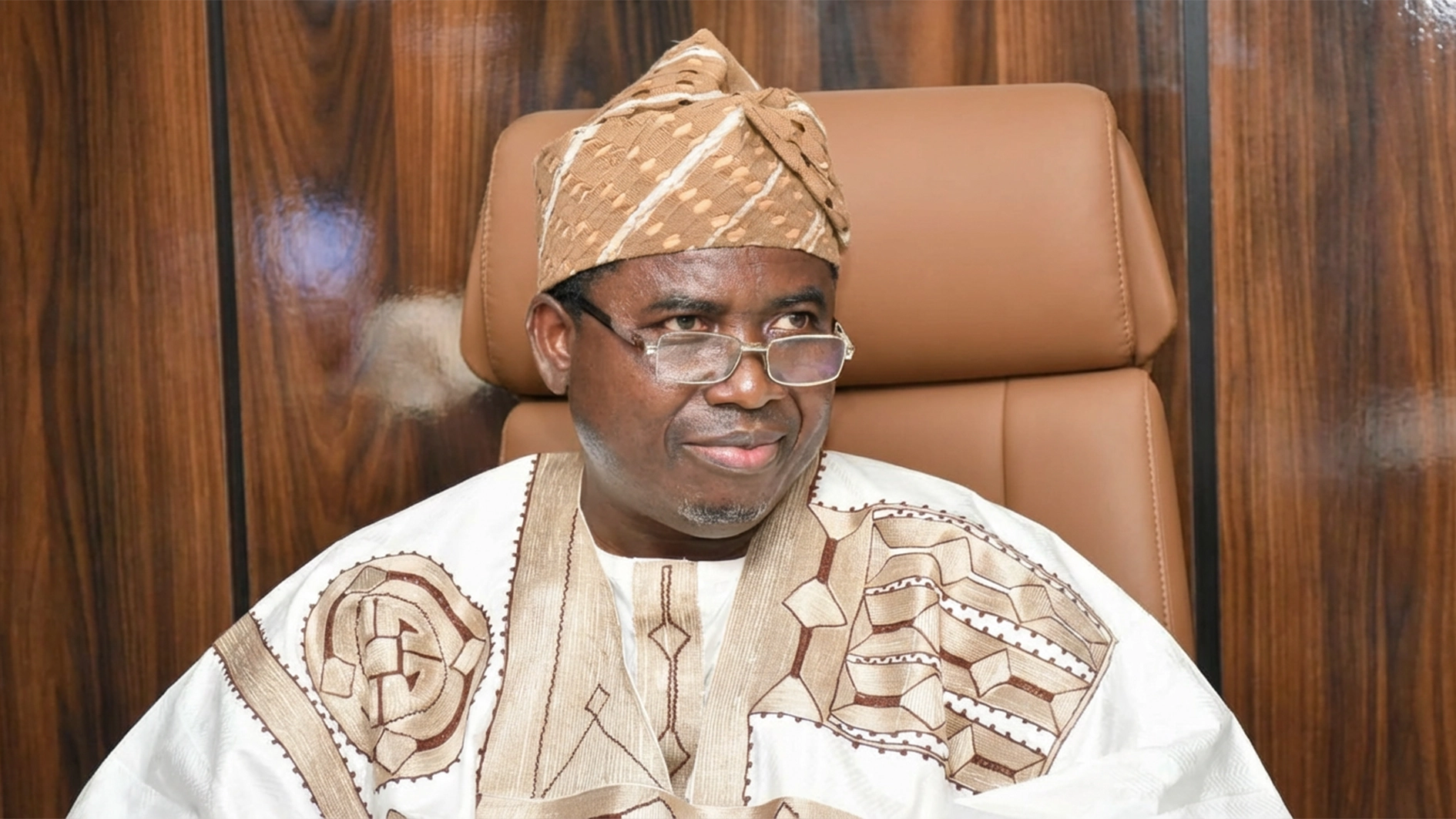
This distinction is important. It is entirely legitimate to argue that an election contained administrative shortcomings or that electoral reforms are needed. It is a different matter to state as fact that a different candidate won the election when the officially declared result has been upheld by the country’s highest court.
The debate should also be viewed through the lens of Nigeria’s constitutional requirements for electing a President. The office is not awarded solely to the candidate who performs exceptionally well in a limited number of states. The Constitution requires both the highest lawful vote total and a prescribed geographical spread across the federation. The objective is to ensure that a successful presidential candidate enjoys broad national support in a country of great regional, ethnic and religious diversity.
The official 2023 electoral map showed that Peter Obi attracted exceptionally strong support in some parts of the country, particularly in the South-East, while also making significant gains elsewhere, including Lagos and the Federal Capital Territory. His campaign reshaped the political conversation, mobilised many first-time voters and demonstrated that a candidate outside the two long-established major parties could mount a serious national challenge.
At the same time, the results also showed that his support was unevenly distributed across the federation. Building the broad national coalition contemplated by the Constitution remains one of the central challenges for any presidential aspirant seeking to govern a country as diverse as Nigeria.
Political analysts continue to debate the reasons for regional voting patterns. Some attribute them to party structures, others to longstanding political alliances, economic considerations, religious factors or historical relationships among Nigeria’s regions. These issues are complex and cannot be reduced to a single explanation. What is clear, however, is that every successful presidential candidate must appeal to voters well beyond a regional base.
The 2023 election also generated allegations of irregularities from different political parties in different parts of the country. Labour Party supporters raised concerns about aspects of the electoral process, while supporters of other parties questioned voting patterns and results in certain locations. These competing allegations became part of post-election litigation. The courts, after considering the evidence presented, did not find sufficient legal grounds to overturn the presidential result.
The focus should therefore now shift to strengthening Nigeria’s electoral system. Any reforms that improve transparency, public confidence, logistics, technology and dispute resolution will benefit every political party and, more importantly, Nigerian democracy itself.
Against this backdrop, INEC’s proposal to conduct a mock presidential election before the next general election is an interesting development. If implemented transparently and with clearly defined objectives, such an exercise could help test operational readiness, identify logistical weaknesses, improve voter confidence and provide political parties with valuable insights into campaign organisation and nationwide mobilisation. While a mock poll would not predict the final election result, it could strengthen institutional preparedness and encourage more evidence-based political engagement.

Ultimately, democracy is sustained not only by elections but also by public confidence in constitutional institutions. Candidates have every right to continue advocating for electoral reforms, to present alternative policy visions and to seek public support for future elections. At the same time, public discourse is strengthened when political claims are clearly distinguished from legally established outcomes.
The lesson of 2023 is not simply about who won or who lost. It is also about the importance of building broad national coalitions, respecting constitutional processes and ensuring that future elections command even greater public confidence. Political competition should remain vigorous, but it should also remain anchored in evidence, constitutionalism and respect for the rule of law.
As Nigeria prepares for another electoral cycle, the country’s democratic maturity will be measured not only by the conduct of its institutions but also by the willingness of political leaders and supporters alike to engage one another through facts, lawful processes and constructive debate. That remains the surest path to stronger democratic legitimacy and national unity.
Princess Gloria Adebajo-Fraser MFR
President, The National Patriots.
Special Adviser to Former President Goodluck Jonathan.




