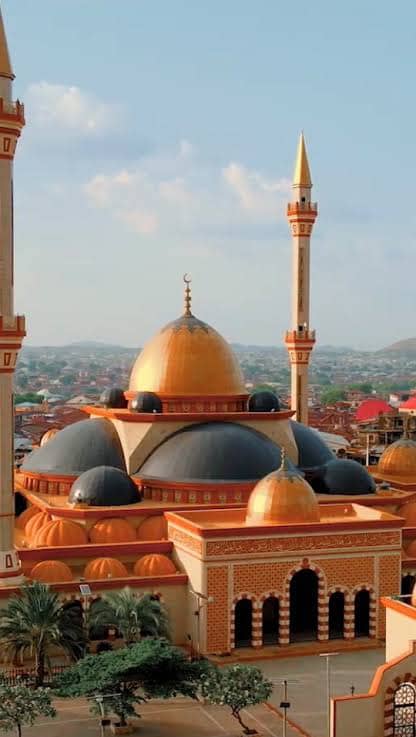
1ST OF RABEE’L AWWAL 1448AH
*The Book of Medicine – Kitab al-Tibb*
Narrated Ibn `Abbas:
The Prophet (ﷺ) once came out to us and said, *”Some nations were displayed before me. A prophet would pass in front of me with one man, and another with two men, and another with a group of people. and another with nobody with him. Then I saw a great crowd covering the horizon and I wished that they were my followers, but it was said to me, ‘This is Musa (Moses) and his followers.’ Then it was said to me, ‘Look” I looked and saw a big gathering with a large number of people covering the horizon. It was said, “Look this way and that way.’ So I saw a big crowd covering the horizon. Then it was said to me, “These are your followers, and among them there are 70,000 who will enter Paradise without (being asked about their) accounts.”* Then the people dispersed and the Prophet (ﷺ) did not tell who those 70,000 were. So the companions of the Prophet (ﷺ) started talking about that and some of them said, “As regards us, we were born in the era of heathenism, but then we believed in Allah and His Apostle . We think however, that these (70,000) are our offspring.” That talk reached the Prophet (ﷺ) who said, *”These (70,000) are the people who do not draw an evil omen from (birds) and do not get treated by branding themselves and do not treat with Ruqya, but put their trust (only) in their Lord.”* then ‘Ukasha bin Muhsin got up and said, “O Allah’s Messenger (ﷺ)! Am I one of those (70,000)?” The Prophet (ﷺ) said, *”Yes.”* Then another person got up and said, “Am I one of them?” The Prophet (ﷺ) said, *” ‘Ukasha has anticipated you.”*
حَدَّثَنَا مُسَدَّدٌ، حَدَّثَنَا حُصَيْنُ بْنُ نُمَيْرٍ، عَنْ حُصَيْنِ بْنِ عَبْدِ الرَّحْمَنِ، عَنْ سَعِيدِ بْنِ جُبَيْرٍ، عَنِ ابْنِ عَبَّاسٍ ـ رضى الله عنهما ـ قَالَ خَرَجَ عَلَيْنَا النَّبِيُّ صلى الله عليه وسلم يَوْمًا فَقَالَ ” عُرِضَتْ عَلَىَّ الأُمَمُ فَجَعَلَ يَمُرُّ النَّبِيُّ مَعَهُ الرَّجُلُ وَالنَّبِيُّ مَعَهُ الرَّجُلاَنِ، وَالنَّبِيُّ مَعَهُ الرَّهْطُ، وَالنَّبِيُّ لَيْسَ مَعَهُ أَحَدٌ، وَرَأَيْتُ سَوَادًا كَثِيرًا سَدَّ الأُفُقَ فَرَجَوْتُ أَنْ يَكُونَ أُمَّتِي، فَقِيلَ هَذَا مُوسَى وَقَوْمُهُ. ثُمَّ قِيلَ لِي انْظُرْ. فَرَأَيْتُ سَوَادًا كَثِيرًا سَدَّ الأُفُقَ فَقِيلَ لِي انْظُرْ هَكَذَا وَهَكَذَا. فَرَأَيْتُ سَوَادًا كَثِيرًا سَدَّ الأُفُقَ فَقِيلَ هَؤُلاَءِ أُمَّتُكَ، وَمَعَ هَؤُلاَءِ سَبْعُونَ أَلْفًا يَدْخُلُونَ الْجَنَّةَ بِغَيْرِ حِسَابٍ ”. فَتَفَرَّقَ النَّاسُ وَلَمْ يُبَيَّنْ لَهُمْ، فَتَذَاكَرَ أَصْحَابُ النَّبِيِّ صلى الله عليه وسلم فَقَالُوا أَمَّا نَحْنُ فَوُلِدْنَا فِي الشِّرْكِ، وَلَكِنَّا آمَنَّا بِاللَّهِ وَرَسُولِهِ، وَلَكِنْ هَؤُلاَءِ هُمْ أَبْنَاؤُنَا، فَبَلَغَ النَّبِيَّ صلى الله عليه وسلم فَقَالَ ” هُمُ الَّذِينَ لاَ يَتَطَيَّرُونَ، وَلاَ يَسْتَرْقُونَ، وَلاَ يَكْتَوُونَ، وَعَلَى رَبِّهِمْ يَتَوَكَّلُونَ ”. فَقَامَ عُكَّاشَةُ بْنُ مِحْصَنٍ فَقَالَ أَمِنْهُمْ أَنَا يَا رَسُولَ اللَّهِ قَالَ ” نَعَمْ ”. فَقَامَ آخَرُ فَقَالَ أَمِنْهُمْ أَنَا فَقَالَ ” سَبَقَكَ بِهَا عُكَّاشَةُ ”.
Sahih al-Bukhari 5752

*NOTE 📝*
1. al-Hafidh Ibn Hajar al-Asqalani in his commentary of this hadith discussed the hadith describing the 70,000 who enter Paradise without reckoning or punishment, particularly the phrase that they *“do not seek cauterization (kay), do not seek ruqyah, and do not believe in omens.”* He stated that scholars clarify that this does not mean ruqyah or cauterization are prohibited, since both are established as permissible in authentic Sunnah. Rather, several interpretations were offered: it may refer to avoiding ineffective or inappropriate forms of ruqyah, avoiding such treatments before illness occurs, or possessing such complete reliance upon Allah that one does not depend upon these means. – Fathul Baari, Ibn Hajar al-Asqalani
2. Ibn Hajar further commented that the stronger explanation is that their distinction lies in their exceptional level of tawakkul, contentment, and reliance upon Allah, rather than in declaring lawful treatments impermissible. The Prophet ﷺ himself used and prescribed ruqyah and other treatments, demonstrating that taking lawful means does not contradict tawakkul. The scholars therefore distinguish between permissibility of a means and the higher spiritual rank of those who place their reliance upon Allah without seeking such interventions. – Fathul Baari, Ibn Hajar al-Asqalani
3. Finally, al-Hafidh posited that genuine tawakkul does not mean abandoning practical means. The Prophet ﷺ took precautions in warfare, wore protective armour, migrated, ate and drank, stored provisions, and instructed a man to tie his camel and then rely upon Allah. Thus, seeking legitimate medical treatment or ruqyah is not a deficiency in faith or tawakkul (reliance on Allah); rather, the believer uses permissible means while knowing that the means have no independent power and that the outcome ultimately rests entirely with Allah. – Fathul Baari, Ibn Hajar al-Asqalani
*Lookout for the Hilal of Rabee’l Awwal 1448AH around Maghrib later today*
*O Allah, we ask You for forgiveness, mercy, and well-being in this life and the Hereafter. Conceal our faults, protect our vulnerabilities, and keep us firm upon Your guidance. O Allah, have mercy on all deceased Muslims. Forgive them, illuminate and expand their graves, and admit them into Jannatul Firdaus by Your boundless mercy. Grant us a good ending and reunite us with them in Your pleasure. Ãmeen*
As you stand before Him in prayer today, seeking His mercy, protection, healing, guidance, and limitless favour, may He graciously accept your 𝐢𝐛𝐚𝐝𝐚𝐡, answer your supplications, and surround you with His unending blessings now and always.
*Today is 1st of Rabee’l Awwal 1448AH (14 August 2026) and a Day of Jumu’ah (Friday)*
*The Book of Medicine – Kitab al-Tibb*
Narrated Abu Huraira:
I heard Allah’s Messenger (ﷺ) saying, “There is no Tiyara, and the best omen is the Fal.” They asked, “What is the Fal?” He said, “A good word that one of you hears (and takes as a good omen).
حَدَّثَنَا أَبُو الْيَمَانِ، أَخْبَرَنَا شُعَيْبٌ، عَنِ الزُّهْرِيِّ، قَالَ أَخْبَرَنِي عُبَيْدُ اللَّهِ بْنُ عَبْدِ اللَّهِ بْنِ عُتْبَةَ، أَنَّ أَبَا هُرَيْرَةَ، قَالَ سَمِعْتُ رَسُولَ اللَّهِ صلى الله عليه وسلم يَقُولُ ” لاَ طِيَرَةَ، وَخَيْرُهَا الْفَأْلُ ”. قَالُوا وَمَا الْفَأْلُ قَالَ ” الْكَلِمَةُ الصَّالِحَةُ يَسْمَعُهَا أَحَدُكُمْ ”.
Sahih al-Bukhari 5754
*NOTE 📝*
1. This hadith is also collected in Sahih Muslim. Imam an-Nawawi in his commentary of this hadith explained that the Prophet ﷺ said, *“There is no tiyarah (superstitious omen), but I like good faʾl (optimism).”* When asked about faʾl, he explained that it is hearing a good or pleasant word. Tiyarah refers to believing that certain signs, events, birds, words, or occurrences bring good or bad luck. The Arabs would, for example, observe the direction in which birds flew before deciding whether to proceed with a journey. Islam rejected this belief and taught that such things have no independent power to bring benefit or harm; believing that they do can constitute shirk. – Sharh Sahih Muslim, an-Nawawi
2. Imam an-Nawawi further explained that Faʾl, by contrast, is a positive and hopeful interpretation of something good that one hears or encounters. The scholars explain that it is generally associated with something pleasing, whereas ṭiyarah is based on anticipating harm. The Prophet ﷺ encouraged faʾl because it nurtures hope in Allah’s mercy and favour rather than pessimism and despair. – Sharh Sahih Muslim, an-Nawawi
3. Finally, an-Nawawi stated that the hadith teaches Muslims to reject superstition while maintaining positive hope in Allah. For example, a sick person may hear someone called “Saalim” (safe/well) and take it as an encouraging reminder to hope for recovery, without believing that the word itself causes healing. The benefit lies in the good expectation and hope placed in Allah, not in the sign or word itself. – Sharh Sahih Muslim, an-Nawawi
*The Hilal of Rabee’l Awwal 1448AH was reportedly sighted by the authorities and hence the beginning of the new month was declared by the Sultan*
*O Allah, we ask You for forgiveness, mercy, and well-being in this life and the Hereafter. Conceal our faults, protect our vulnerabilities, and keep us firm upon Your guidance. O Allah, have mercy on all deceased Muslims. Forgive them, illuminate and expand their graves, and admit them into Jannatul Firdaus by Your boundless mercy. Grant us a good ending and reunite us with them in Your pleasure. Ãmeen*
𝐉𝐮𝐦𝐮’𝐚𝐡 𝐌𝐮𝐛𝐚𝐫𝐚𝐤