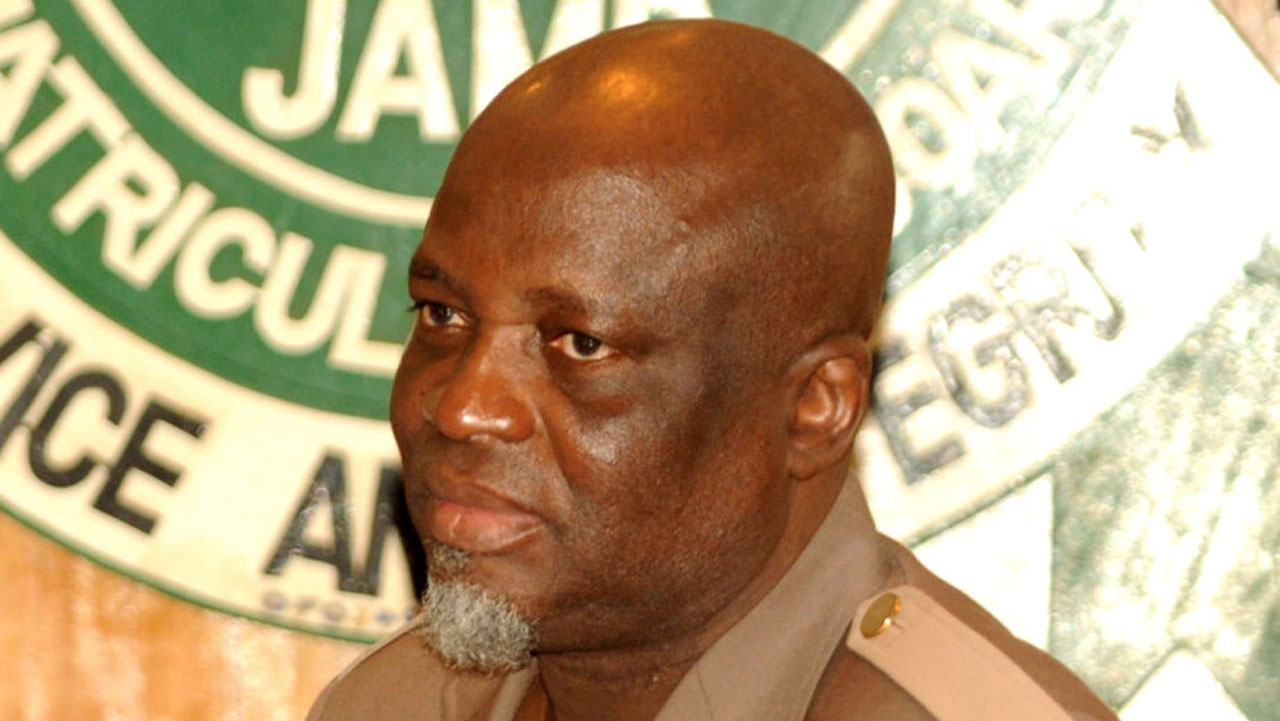
Oloyede Leaves JAMB Stronger After Ten Years of Reforms and Accountability
My earliest recollection of Prof. Ishaq Oloyede dates back about 45 years to my days as an A-Level student at the School of Basic Studies, Kwara State College of Technology, Ilorin, popularly known then as “KwaraTech.” At the time, it was one of the most respected higher institutions in the old Kwara State, which also covered present-day Kogi communities like Okene and Kabba.
It was there, sometime in 1981, that I first heard the name Ishaq Oloyede. That year, he became something of a star at the University of Ilorin after graduating with a First Class degree in Islamic Studies during a convocation attended by Nigeria’s first Executive President, Alhaji Shehu Shagari.
His achievement surprised many people because campus stories at the time painted him mainly as a passionate Muslim Students’ Society activist rather than a student expected to graduate with such distinction. I understood that world very well because I was serving as General Secretary of the MSS branch at KwaraTech then.
Over the years, Oloyede became a role model to many of us. I followed his journey through academia until he eventually emerged as Vice Chancellor of the University of Ilorin in 2007 — becoming the first alumnus to hold the position. During his five-year tenure, the university recorded no strike action, a rare feat in Nigeria’s public university system.

By the time he was appointed Registrar of the Joint Admissions and Matriculation Board (JAMB) in August 2016, I already knew the kind of person he was — deeply principled, disciplined, transparent and uncompromising when it came to accountability.
So unlike many people who celebrated loudly after his appointment, I simply sent him a message offering prayers and sympathy because I understood the enormity of the task before him.
At the time, JAMB was battling a severe credibility crisis. Examination malpractice had become institutionalised, “special centres” thrived openly, and allegations of corruption surrounded the system. Many parents had completely lost faith in the examination body, while calls for its scrapping had grown louder.
For years before Oloyede’s appointment, JAMB reportedly remitted only about ₦50 million annually to the national treasury despite generating billions of naira.
Oloyede himself acknowledged the difficult assignment in his first official speech as Registrar titled, “Let’s Do It Together: The Biggest Room in the World.” He noted then that those sympathising with him understood the burden ahead better than those congratulating him.
He compared the role to a doctor preparing for surgery, saying no one congratulates a surgeon before a successful operation.
Ten years later, it is safe to say that the operation succeeded.
Under his leadership, JAMB underwent one of the most significant reforms in Nigeria’s public sector. Computer-Based Testing became fully standardised, biometric verification was introduced, CCTV surveillance was installed in examination halls, and results started being released within hours.

The notorious “miracle centres” that once dominated the system gradually disappeared.
He also transformed the agency financially by blocking leakages, automating payment systems and eliminating scratch cards. Within ten years, JAMB reportedly remitted more than ₦60 billion into government coffers.
Beyond financial reforms, Oloyede restored public confidence in the examination body. Candidates began to believe once again that success could come through merit rather than manipulation.
Of course, challenges remained. Rural candidates still struggle with access to CBT centres, and technical glitches occasionally occur, as seen in the 2025 examination experience. But the difference now is that JAMB has become more transparent and responsive.
As Oloyede prepares to leave office on May 31, 2026, many believe he is handing over a far stronger institution than the one he met.
The responsibility now falls on the incoming Registrar, Prof. Segun Aina, to sustain those reforms and continue building on the credibility restored over the last decade.
For many Nigerians, Oloyede’s tenure has proven that public institutions in the country can still work when placed in capable and disciplined hands.
His legacy may ultimately be remembered not just for transforming JAMB, but for restoring hope that merit, integrity and accountability can still thrive within Nigeria’s public service.