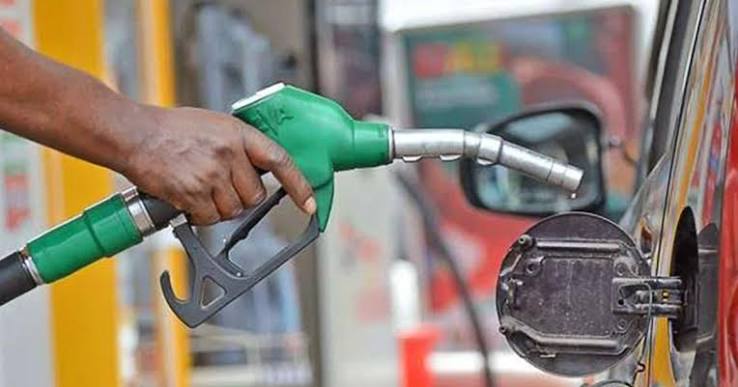
Petroleum marketers across Nigeria have increased petrol pump prices by as much as ₦39 per litre, reversing recent price reductions and adding to the financial pressure on consumers.
In Abuja, MRS filling stations raised their petrol price from ₦1,370 to ₦1,409 per litre. AA Rano and Ranoil outlets also adjusted their rates from ₦1,400 to ₦1,410 per litre.

An NNPC Retail outlet in Azhata, Jikwoyi District, increased its price from ₦1,380 to ₦1,405 per litre, while some other filling stations raised their rates to approximately ₦1,409 per litre.
In Lagos, petrol prices varied across locations. Some stations in Ikorodu sold the product at ₦1,360 per litre, while outlets in Coker, Orile and Second Rainbow charged around ₦1,350 per litre. Independent marketers sold petrol at prices ranging from ₦1,360 to ₦1,400 per litre.

The latest increases have been linked to rising international crude oil prices amid the ongoing conflict in the Middle East, which has affected energy markets and increased pressure on fuel suppliers.
Despite the upward adjustments, the Nigerian National Petroleum Company Limited (NNPC) has extended its ₦66-per-litre petrol discount until October 31, 2026.
The offer, introduced on October 1 as part of activities marking Nigeria’s 66th Independence Anniversary, allows eligible customers who pay digitally through the company’s mobile application to purchase petrol at participating NNPC Retail stations for ₦1,339 per litre instead of the regular price of ₦1,405.

NNPC said the discount was made possible by foregoing its profit margin rather than using public funds. The company also clarified that the initiative does not represent a return to the former petrol subsidy system and does not establish a uniform pump price nationwide.
Meanwhile, Dangote Petroleum Refinery has also increased its diesel selling price from ₦1,700 to ₦1,800 per litre, representing an increase of about 5.9 per cent.
The rising costs of petrol and diesel could further affect transportation fares, business operating expenses and the prices of goods and services, placing additional pressure on households already dealing with high living costs.