

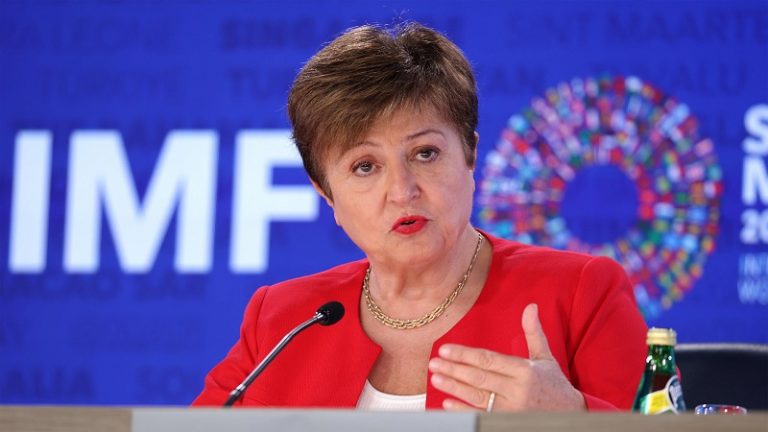
The International Monetary Fund (IMF) has called on oil-exporting countries to save extra revenues from rising oil prices triggered by the United States–Israel–Iran tensions, urging them to strengthen fiscal buffers to protect their economies against future shocks.
IMF Managing Director Kristalina Georgieva made the appeal during a briefing on the Global Policy Agenda at the ongoing World Bank/IMF Spring Meetings in Washington DC, warning that rising energy, fertilizer, and shipping costs are already disrupting global production and consumption.

She noted that the current conflict has pushed oil prices higher, creating short-term revenue gains for oil-exporting nations such as Nigeria, but stressed that such windfalls should be carefully managed rather than quickly spent.
Nigeria, one of the world’s major oil exporters, earns more than 70 percent of its foreign exchange from crude oil, and higher prices above $92 per barrel are expected to boost earnings in the short term.

Georgieva warned that delays in supply chains and rising volatility in global markets could worsen economic pressures in the coming weeks, urging governments to support vulnerable populations affected by price increases while maintaining fiscal discipline.
She also highlighted that many countries still dealing with fuel subsidies could face significant fiscal strain, adding that improving revenue generation remains critical, especially for low-income economies with high interest burdens.

An IMF Fiscal Affairs Department official, Davide Furceri, said the economic impact of the conflict is uneven, with energy-importing countries and low-income nations bearing the heaviest burden.
He explained that rising food and fuel prices, tighter financial conditions, and increased defence spending could significantly strain government budgets, potentially raising global debt risks if the crisis continues.

Furceri added that declining external aid levels make domestic revenue reforms even more important for developing countries, particularly through improved tax systems and fiscal management.
The IMF stressed that governments must carefully balance protecting citizens from economic hardship with preserving long-term fiscal stability.





https://shorturl.fm/lyWmb