

The United States is introducing a new approach to foreign health assistance in Africa, offering billions of dollars in support through direct agreements with individual governments following the shutdown of the US Agency for International Development (USAID).
Under the new policy, African countries seeking American health funding must commit to increasing their own healthcare spending, while the partnerships also give priority to US pharmaceutical and medical technology companies.

One of the largest agreements, valued at $2.5 billion, was signed with Kenya in December 2025. The deal includes a US contribution of $1.6 billion, while Kenya is expected to provide $850 million over five years. Although the agreement faced legal challenges over privacy concerns, it has since received cabinet approval.
The Trump administration says the new strategy is designed to reduce long-term dependence on foreign aid by helping countries build stronger and more sustainable healthcare systems. Officials also argue that working directly with governments is more effective than channeling funds through international organisations and non-governmental groups.
The policy marks a significant shift from the previous model of global health cooperation centred on the World Health Organization (WHO), following the United States’ withdrawal from the agency earlier this year.

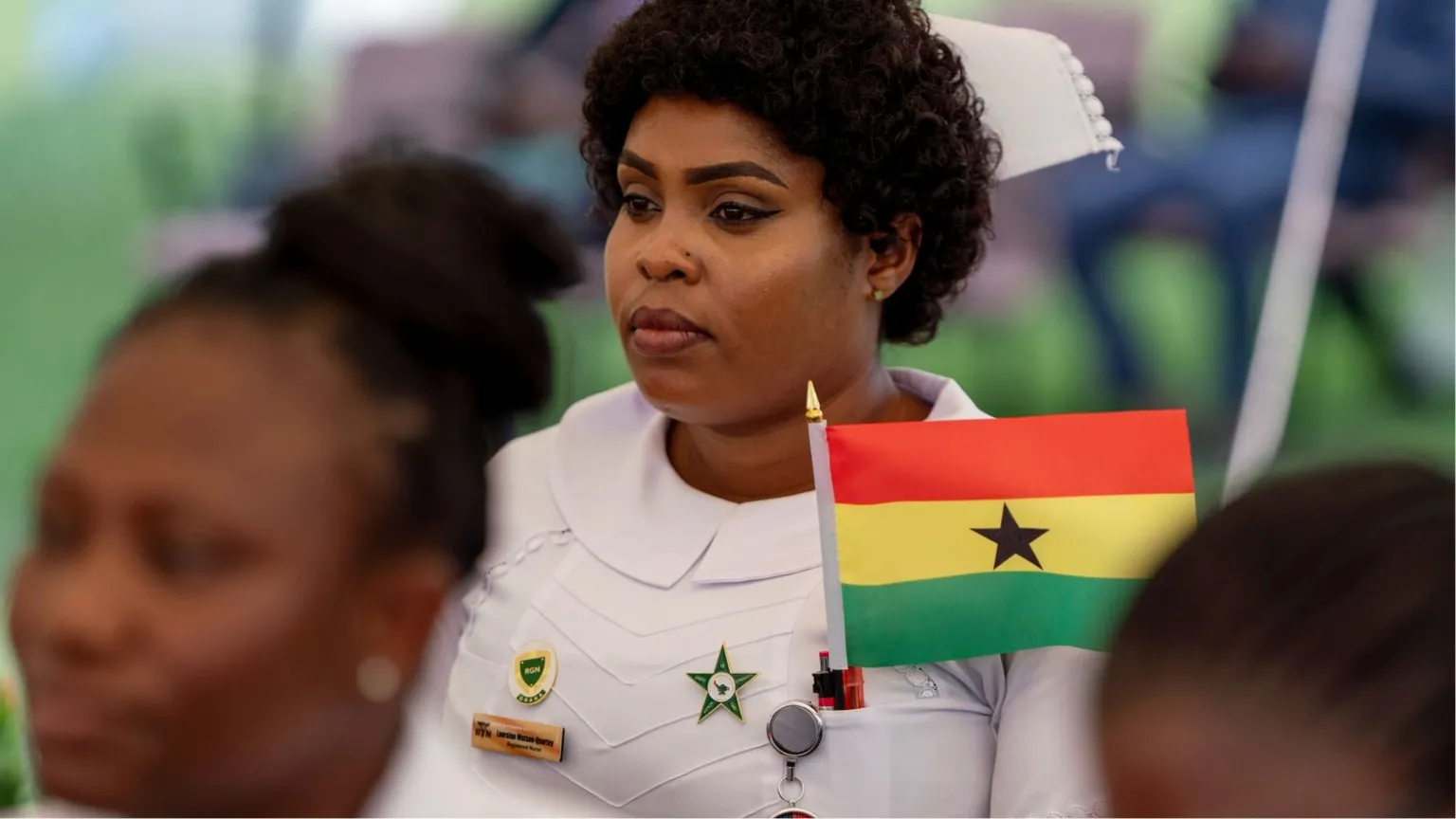
However, the initiative has generated mixed reactions across Africa. While more than 30 countries have accepted the health agreements, including over 20 African nations, others such as Ghana, Zambia and Zimbabwe have declined to sign.
Several governments raised concerns over provisions requiring the sharing of health data and disease samples with the United States. Officials in Ghana said the proposed arrangement did not provide sufficient safeguards for national data sovereignty, while Zimbabwe questioned whether any medicines or vaccines developed from shared biological materials would be accessible to its citizens.
Zambia also objected to what it described as attempts to connect healthcare funding with negotiations over access to the country’s critical mineral resources, insisting that both issues should be handled separately.

Supporters of the policy believe it could encourage African governments to invest more heavily in their own healthcare systems, reducing dependence on foreign donors. Critics, however, argue that the new model places American strategic and commercial interests ahead of global cooperation.
The debate has intensified following a recent Ebola outbreak in the Democratic Republic of Congo. Humanitarian organisations say previous reductions in US aid weakened emergency preparedness by forcing staff layoffs and reducing medical supplies, although American officials maintain that the new bilateral partnership has strengthened the country’s response and that the US has committed $270 million to tackling the outbreak.

Health experts remain divided over the long-term impact of the policy, with some welcoming greater accountability while others warn that infectious diseases require coordinated international action that cannot be effectively addressed through bilateral agreements alone.




