

Nigeria’s Democracy at 27: A Journey of Trials, Transformation, and a Turning Tide
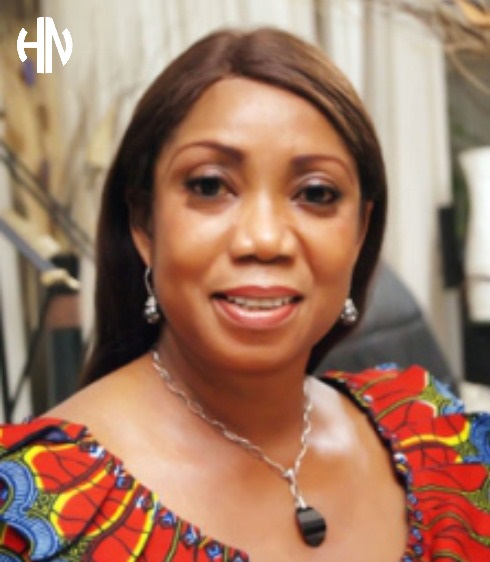
By Dr. Fraser. MFR.
The National Patriots.

June 12, 2026 — As Nigeria marks 27 years of uninterrupted democratic governance since the Fourth Republic began on May 29, 1999, this year’s Democracy Day serves as a reflective milestone—honouring the resilience of the Nigerian people while confronting the unvarnished truths about the country’s democratic evolution. From promise to paralysis, and now to purposeful reforms under President Bola Ahmed Tinubu, Nigeria appears finally poised to course-correct toward sustainable development.
A Timeline of Leadership and Missed Opportunities
Nigeria’s Fourth Republic has been defined by a diverse cast of leaders:
President Olusegun Obasanjo (1999–2007) ushered in civilian rule with stabilisation, debt relief, and telecom liberalisation. Yet his tenure was marred by attempts to elongate term limits and weak institutional reforms.
President Umaru Musa Yar’Adua (2007–2010) brought sincerity and a 7-point agenda but was cut short by ill health and a leadership vacuum.
President Goodluck Jonathan (2010–2015) expanded infrastructure and education but presided over systemic corruption and security failures.
President Muhammadu Buhari (2015–2023) promised anti-corruption and security reform but struggled with economic recession, rising inflation, and insurgency mismanagement.
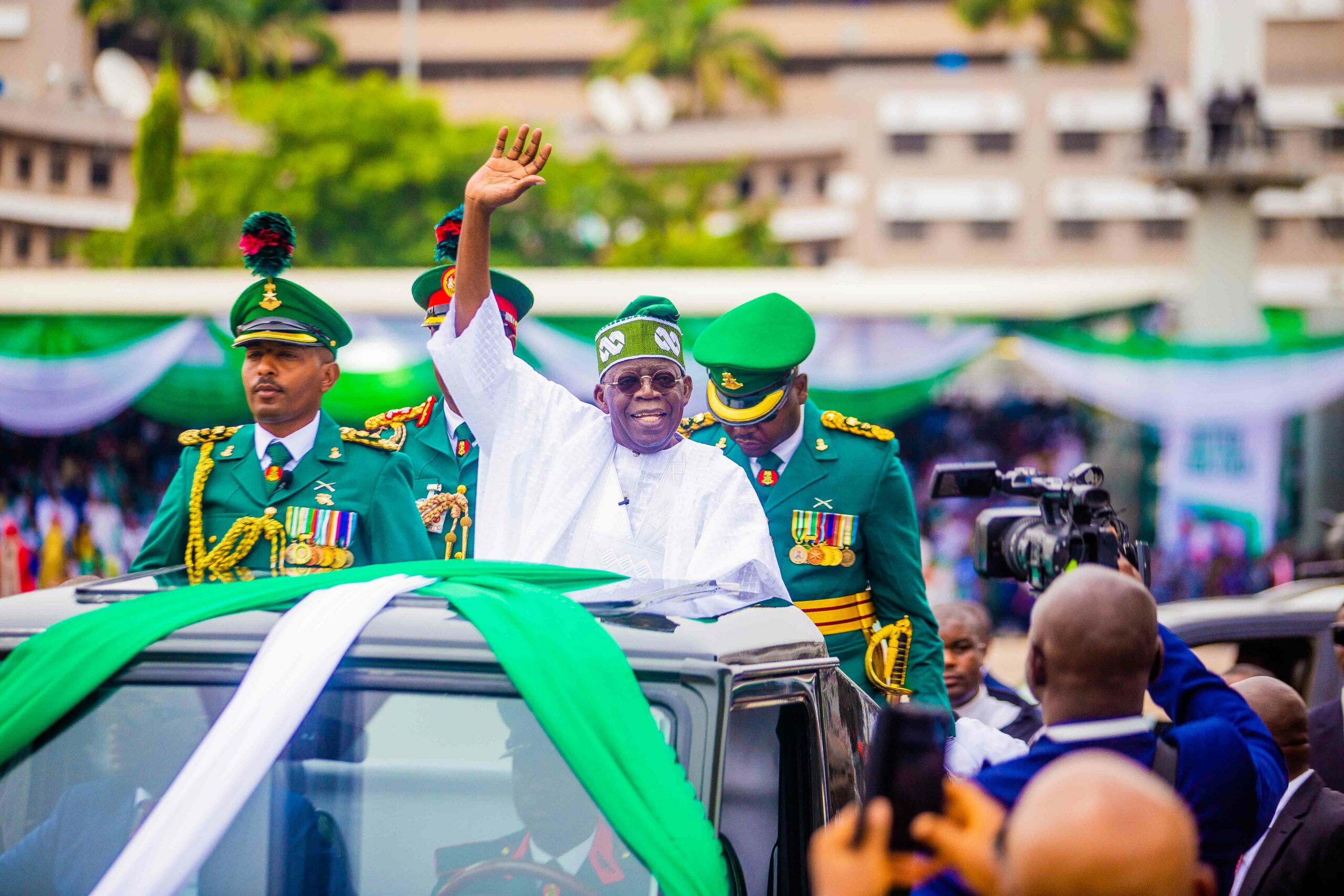
President Bola Ahmed Tinubu (2023–present) inherited a deeply fragmented economy, a heavily subsidised energy sector, and bloated government systems. Within two years, however, his administration has taken bold structural reforms rarely seen since 1999.
Tinubu’s Reforms: Correcting 27 Years of Structural Decay
In contrast to prior administrations, Tinubu’s leadership has been marked by:
Fuel Subsidy Removal: Ending a decades-old fiscal drain costing over ₦4 trillion annually, freeing resources for infrastructure and human capital.
Foreign Exchange Unification: Reducing arbitrage and enhancing investor confidence.
Tax Reforms: Through the Presidential Committee on Fiscal Policy and Tax Reforms led by Taiwo Oyedele, Nigeria is rationalising over 60 overlapping taxes to improve the ease of doing business.’
Digital Economy & Identity Infrastructure: NIN harmonisation and digitisation across sectors aim to plug leakages and improve national planning.
Student Loan Scheme: Commenced in May 2024 to widen access to tertiary education.
Infrastructural Drive: Over 30 road and rail projects initiated or resumed, including the Lagos-Calabar Coastal Highway and Kano-Katsina-Jibia-Maradi Railway.
Social Investment Recalibration: Expansion of the conditional cash transfer scheme targeting over 15 million vulnerable Nigerians.
> “Nigeria may not be where we want it to be, but under President Tinubu, we’re seeing the foundations of a leaner, fairer, more functional state taking root.” — Princess Gloria Adebajo-Fraser, MFR
Figures & Facts: Nigeria’s Democratic Scorecard (1999–2026)
Poverty Rate: 40.1% (2023) vs 62.6% (2000)
Life Expectancy: Improved from 46.5 years in 1999 to 54.7 years in 2023
Internet Penetration: From less than 0.5% in 1999 to over 49% in 2024
Debt Profile: From $28bn external debt in 2006 (post-debt relief) to $42.7bn in 2024
GDP: $59bn (1999) to over $472bn (2023), though unevenly distributed
Democracy vs Development: Nigeria in Comparative Perspective’

While Nigeria has sustained electoral democracy longer than any other period in its history, democratic dividends have lagged behind peer nations:
Rwanda, under Paul Kagame, leveraged post-conflict governance to drive consistent GDP growth averaging 7% annually.
Ghana, despite similar political transitions, has outperformed Nigeria in ease of doing business and public service transparency.
Kenya, by integrating digital public services and MSME incentives, has attracted more consistent FDI inflows.
Nigeria’s advantage lies in its population size, resource base, and entrepreneurial energy, but it must overcome challenges in governance consistency, corruption, and elite consensus.

Voices of Reflection
> “The black man’s dignity must begin with self-rule, self-knowledge, and self-respect. The Yoruba must be architects of their destiny.” — Obafemi Awolowo
> “Real democracy is not just the ballot box, but the security of lives, education for our children, and justice without fear or favour.” — Prof. Wole Soyinka
> “Leadership is not about populism, but policy. President Tinubu has chosen the hard path—reform. That alone deserves our attention and patience.” — Dr. Gloria Adebajo-Fraser, MFR
Conclusion: A Turning Tide
Twenty-six years of democracy have tested Nigeria’s institutions, leaders, and citizens. While the past is filled with unfulfilled promises, the present under President Tinubu suggests a return to hard decisions, strategic reforms, and honest leadership. The gains may be gradual, but the foundation is firmer than it has been in decades.
As Nigerians commemorate Democracy Day 2026, the mood is one of sober optimism: a recognition of where we’ve faltered, and a quiet belief that we may now be turning a corner.
By Headlinenews.news Honouring democracy. Holding leadership accountable. Inspiring national renewal.
Princess Dr. G. Fraser. MFR.
The National Patriots.
Headlinenews.news Special report.




