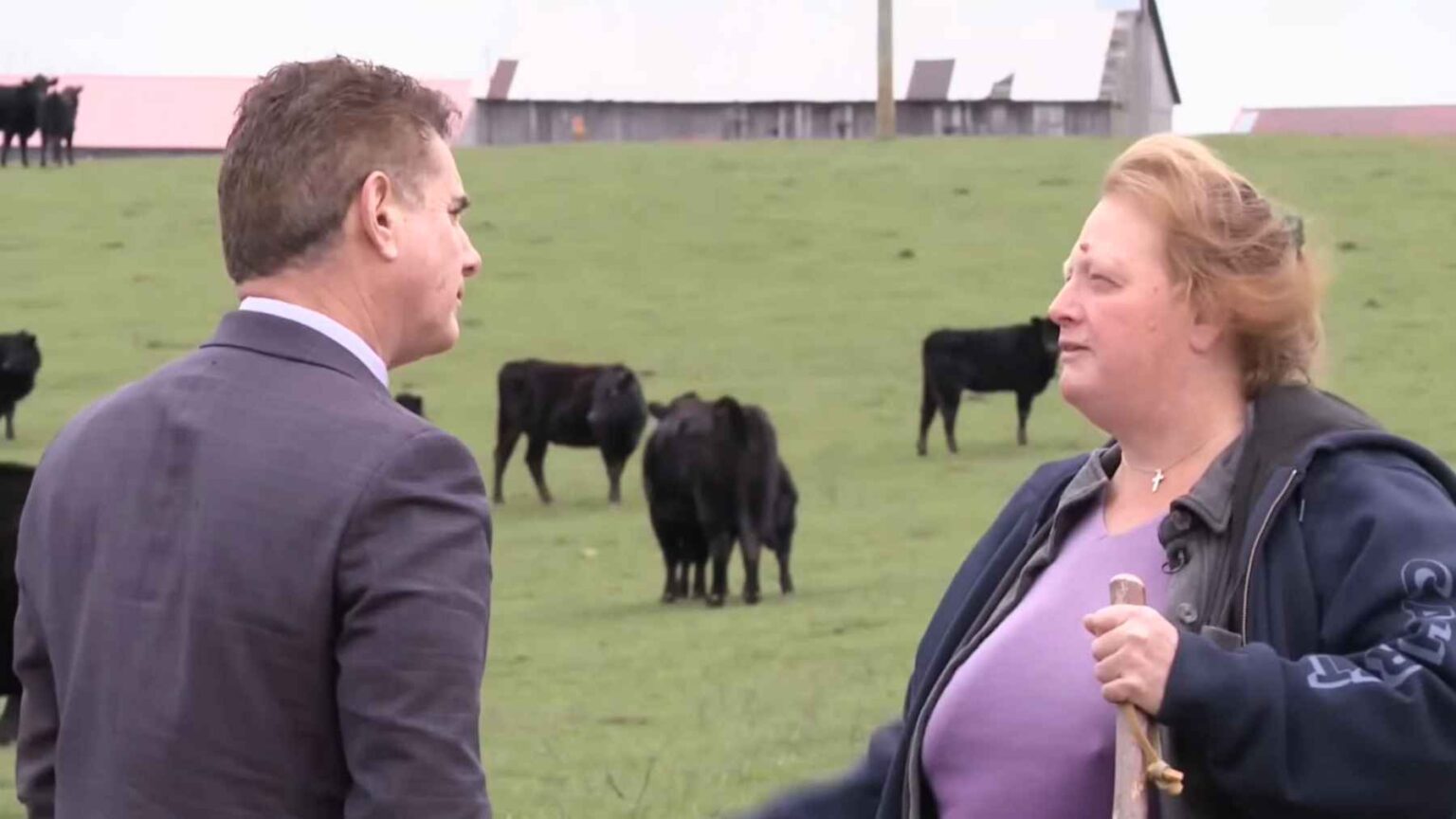
Kentucky Mother and Daughter Reject $26 Million Offer to Protect Family Farm from Data Center Project
A Kentucky mother and daughter have refused to sell their family farmland despite offers exceeding $26 million, as a proposed hyperscale data center project continues to stir debate in Mason County.
Ida Huddleston, 82, and her daughter Delsia Bare say their land near Maysville is far more than a commercial asset — it is a home, a livelihood, and a generational inheritance rooted in farming history.
“I don’t want your money, I don’t need your money,” Huddleston said, making it clear she has no intention of selling. Bare also rejected a multi-million-dollar offer, stressing concerns about transparency and the identity of the company behind the proposed development.
A farm rooted in history, not for sale
The family’s property forms part of a larger 1,200-acre working farm that has been passed down through generations. While offers reportedly reached as high as $60,000 per acre, the family says no amount of money can replace what the land represents.
For them, the decision is not financial — it is personal. It is about preserving soil that has sustained cattle, crops, and memories built over decades.

Rising pressure from tech expansion
The dispute comes amid growing interest in rural land across the United States for large-scale data center projects driven by the expansion of artificial intelligence and cloud computing infrastructure.
According to project documents, the proposed development in Mason County would span about 2,080 acres and include multiple data center buildings, substations, cooling systems, and supporting infrastructure.
Developers say rural areas are attractive due to the availability of land, access to power, and space for massive facilities required to run modern digital systems.
Community concerns over land and resources
While supporters argue the project could bring jobs and investment, many residents are questioning the long-term impact on farmland, water supply, and rural life.
Data centers require significant energy and infrastructure, and even with advanced cooling systems, communities often raise concerns about water use, environmental impact, and rising utility demands.

The U.S. Department of Energy estimates that data centers already account for a growing share of national electricity consumption, a figure expected to increase in the coming years.
Jobs promise vs. local reality
Early projections suggest the project could create hundreds of construction jobs and a smaller number of permanent positions once operational. However, residents remain divided over whether those benefits outweigh the permanent loss of farmland.
For critics, the concern is not just employment numbers, but what the community gives up in exchange — productive agricultural land and a way of life that has existed for generations.
What happens next
The zoning approval process is still ongoing, with local authorities continuing deliberations on the proposed project. Public meetings have drawn both supporters and opponents, each making their case for the future of Mason County.
For Huddleston and Bare, however, their position remains unchanged. The farm is not for sale — no matter the price.
Their stance has turned a local dispute into a broader conversation about land, technology, and what progress should cost when it meets tradition.