

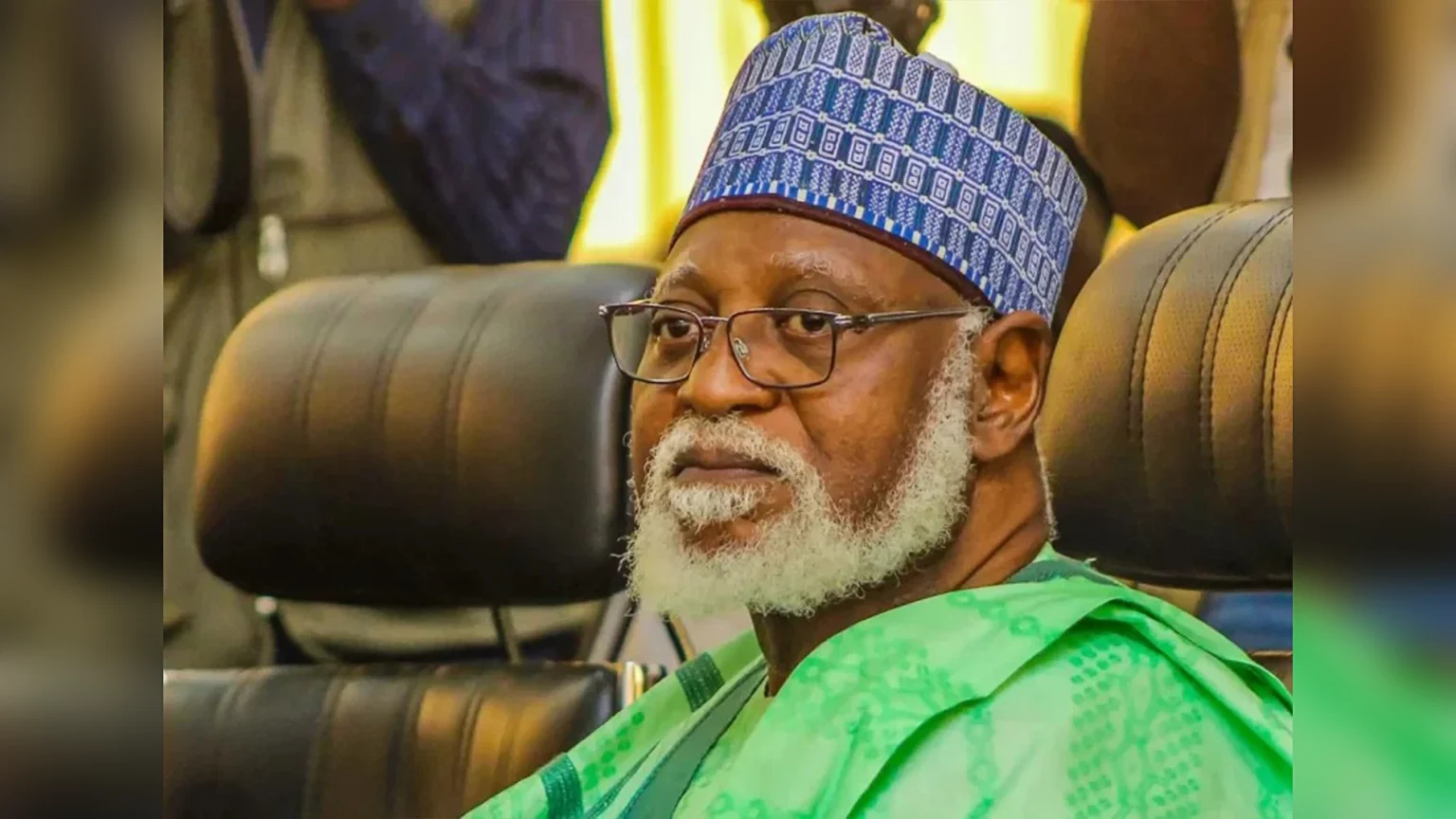
Former Head of State, General Abdulsalami Abubakar (retd), has disclosed that some leaders of the pro-democracy movement, including figures associated with the National Democratic Coalition (NADECO), once appealed to him privately to extend military rule after becoming convinced of his commitment to handing over power to civilians in 1999.
Abubakar made the revelation in his autobiography, which was presented during events marking his 84th birthday at the Presidential Villa in Abuja.

He explained that although NADECO and other pro-democracy groups had strongly opposed military rule, some of their members later requested additional time to prepare for democratic governance after realising that his administration intended to fully transition to civilian rule within the agreed timeline.
According to him, the request came just months into his administration, when some political actors reportedly acknowledged that they were not fully prepared for the transition and sought an extension.
Abubakar, however, said he rejected the appeal, insisting that he had already committed both to Nigerians and the international community to return the country to democratic rule as scheduled.

He added that he challenged those making the request to publicly state their position in writing, but they did not follow through.
The former military leader also revealed that there was pressure from some foreign leaders who preferred a longer military administration due to the relative stability that followed the death of General Sani Abacha and the easing of political tensions.
Despite this, he said he remained firm in his decision, noting that Nigeria had reached a critical point where returning to civilian rule was unavoidable.
Abubakar further disclosed that some senior military officers were also against the transition, but his government remained committed to ending military rule and restoring democratic governance.

He argued that military involvement in politics had negatively affected the armed forces by weakening professionalism, disrupting command structures, and pulling skilled officers away from their core duties.

According to him, the military ultimately suffered the most from prolonged involvement in governance and needed to return to its professional responsibilities.
Reflecting on the broader transition process, he acknowledged political disagreements among emerging parties but maintained that his administration’s commitment to the handover timeline ensured the successful return to civilian rule in 1999.




