

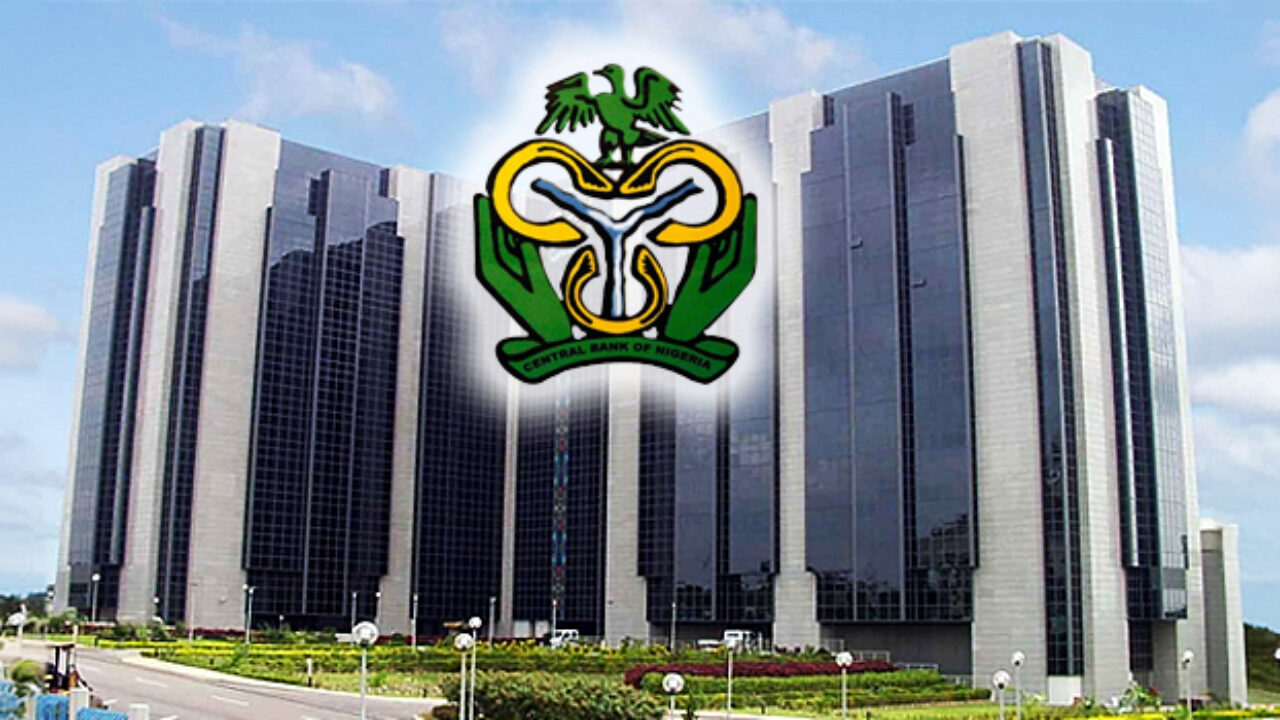
The Governor of the Central Bank of Nigeria, Olayemi Cardoso, has revealed that only a small number of banks are still struggling to meet the country’s new banking recapitalisation requirements due to legal, regulatory, and procedural challenges.

Speaking after the latest Monetary Policy Committee meeting, Cardoso explained that the affected institutions are not weak or distressed banks, but were delayed by issues that slowed down their capital-raising efforts within the approved timeframe.
He disclosed that 33 Nigerian banks have already met the new capital requirements introduced under the ongoing banking reforms. According to him, the recapitalisation exercise has recorded major success and attracted strong interest from both local and foreign investors, reflecting growing confidence in Nigeria’s financial sector despite global economic uncertainty.

Cardoso stated that Nigerian investors contributed the larger share of the recapitalisation funds, accounting for 74 percent of total subscriptions, while foreign investors made up the remaining 26 percent. He added that the smooth progress of the exercise shows increasing trust in the country’s banking industry and economic direction.
The CBN governor also explained that some banks facing delays had earlier encountered regulatory interventions, leaving them with less time to raise fresh capital compared to other institutions that operated without restrictions or legal disputes.

He assured Nigerians that the banking sector remains stable and that customers should not panic, stressing that banking operations across the country continue normally while the apex bank works closely with institutions still trying to meet compliance requirements.

According to Cardoso, the recapitalisation programme is part of broader reforms aimed at strengthening Nigerian banks, improving their financial capacity, and positioning them to support larger sectors of the economy more effectively in the future.
Meanwhile, global rating agency S&P Global Ratings recently upgraded the long-term ratings of seven Nigerian banks, citing improved economic outlook and ongoing reforms within the banking sector.




