

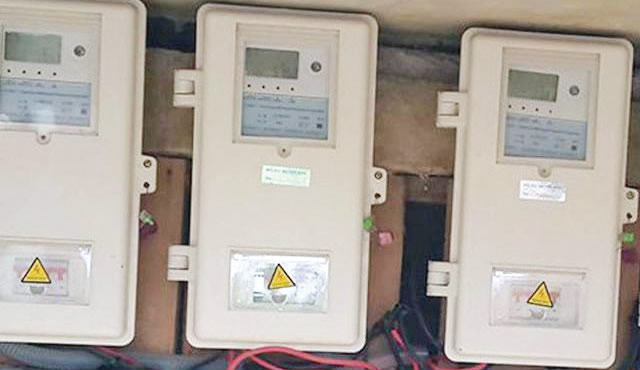
The Electricity Distribution Companies in Nigeria installed a total of 241,590 electricity meters in the first two months of 2026, as part of ongoing efforts to reduce estimated billing and close the country’s persistent metering gap.

According to data released by the Nigerian Electricity Regulatory Commission (NERC) in its January and February 2026 metering report, 119,792 customers were metered in January, followed by 121,798 in February.
The report shows that total metered customers rose from 7,086,376 in January to 7,208,174 in February, reflecting a gradual but limited improvement in nationwide metering coverage.
Despite these additions, Nigeria’s overall metering rate increased only slightly from 57.93% to 58.57%, meaning millions of electricity users are still billed through estimates rather than actual consumption.
The total number of active electricity customers also grew from 12,232,130 in January to 12,307,314 in February, highlighting the expanding demand for electricity access across the country.

An analysis of the data reveals that over five million customers remain without meters, leaving many consumers exposed to disputed and often controversial estimated billing practices.
Among the distribution companies, Eko Electricity Distribution Company recorded the highest metering rate at 87.62% in February, followed closely by Ikeja Electric at 87.16%, both maintaining strong performance compared to other operators.
Abuja Electricity Distribution Company also recorded improvement, reaching 79.37%, while Port Harcourt DisCo rose to 66.36%, both above the national average.

Benin DisCo stood out for the highest number of new meter installations during the period, with a combined 51,570 meters installed across January and February.
Ibadan DisCo, which serves the largest customer base in the country, recorded a modest improvement but still had nearly half of its 2.48 million customers unmetered.
Enugu DisCo showed minimal progress, with only slight growth in its metering rate and a sharp decline in new installations between January and February.
In the northern region, Jos, Kaduna, Kano, and Yola DisCos continued to record the lowest metering performance nationwide, with Kano particularly notable for very low installation numbers despite its large customer base.

Stakeholders attribute the slow progress to financing constraints, foreign exchange challenges, supply chain issues, and the high cost of importing and deploying meters.
The Federal Government and the regulator have introduced several initiatives in recent years aimed at improving metering, reducing estimated billing, and enhancing transparency in the electricity sector.

However, despite these interventions, the data indicates that Nigeria’s metering gap remains significant, with a large portion of consumers still unmetered.




