

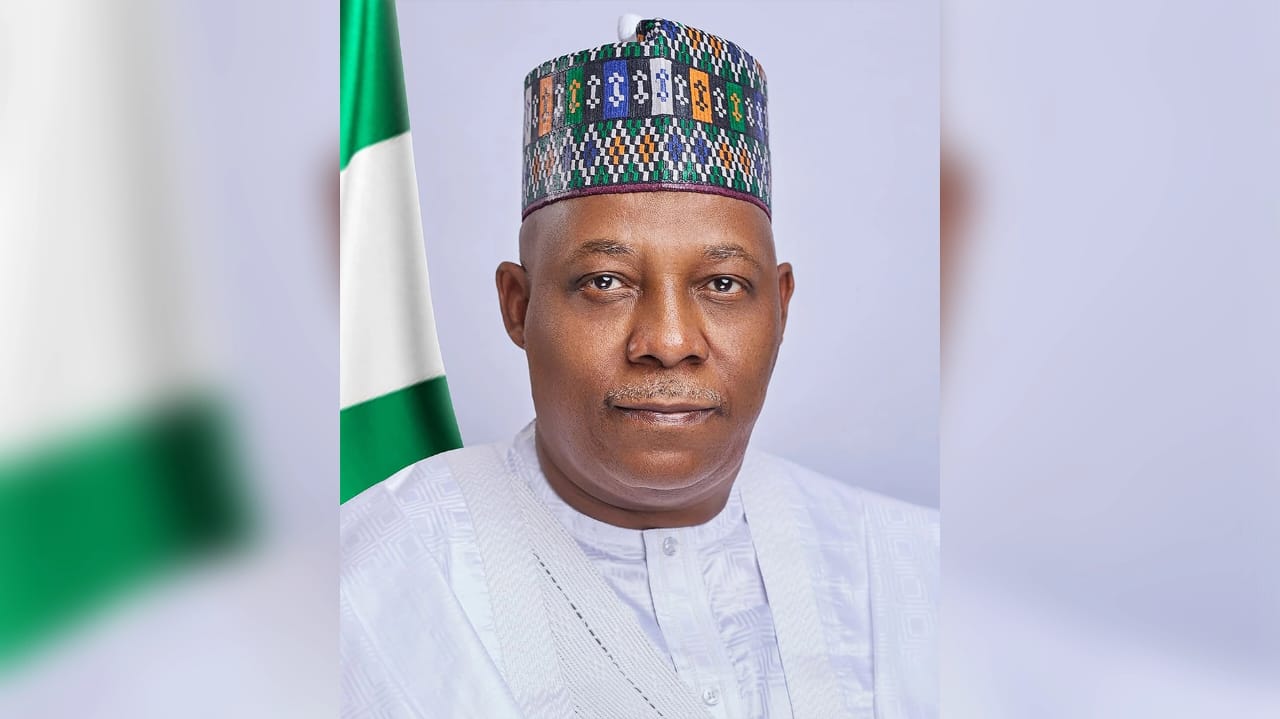
The Federal Government has intensified efforts to implement 112 as Nigeria’s unified national emergency number, with Vice President Kashim Shettima directing the Nigerian Communications Commission (NCC) to develop a comprehensive rollout plan in collaboration with state governments and emergency response agencies.

The directive was issued during a meeting at the Presidential Villa in Abuja with an NCC delegation led by the Chairman of its Governing Board, Chief Idris Ibikunle Olorunnimbe.
The move follows the recent approval by the National Economic Council (NEC), chaired by the Vice President, to adopt 112 as the country’s single emergency contact number for police, ambulance, fire, and disaster response services across all levels of government.
According to the Federal Government, the initiative is designed to establish a more efficient and coordinated emergency response system that aligns with international standards.

Shettima instructed the NCC to work closely with the National Emergency Management Agency (NEMA) in developing an implementation roadmap, noting the agency’s expertise in disaster management, emergency response, relief, and rehabilitation.
He assured the Commission that the project would receive continued support, with funding expected from the National Economic Council and private sector partnerships. The Vice President also emphasized the need for collaboration among state governors and emergency service providers to ensure the successful implementation of the initiative.
Speaking during the meeting, NCC Governing Board Chairman Idris Ibikunle Olorunnimbe revealed that the Commission has already established about 35 Emergency Communications Centres (ECCs) across the country to support the national emergency system.

He called on state governments to strengthen their commitment by maintaining the communications infrastructure already deployed and ensuring effective cooperation among all emergency response agencies.

Olorunnimbe stressed that seamless coordination between the Nigeria Police Force, ambulance services, NEMA, and other emergency responders is essential to ensure that distress calls are handled quickly and efficiently.
He added that the success of the initiative depends on the commitment of every agency involved, describing it as a national responsibility to guarantee timely assistance for people in emergency situations.




