

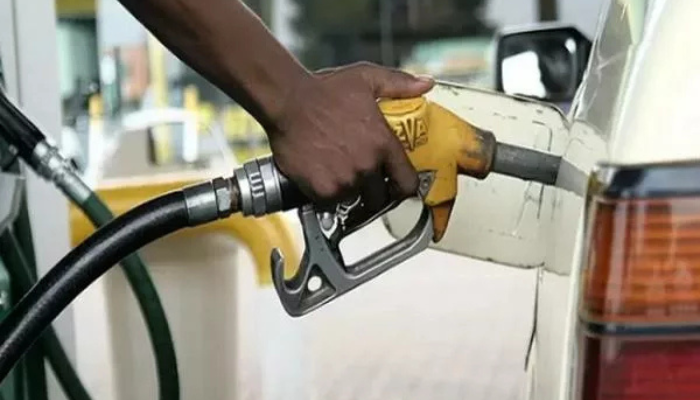
Unmanned Fuel Stations Raise Hope of Ending N200bn Annual Losses
Nigeria may be losing more than N200 billion annually to the under-dispensing of petrol by fuel attendants, raising fresh concerns about the accuracy of fuel pumps and transparency in the downstream petroleum sector.
The practice has continued to fuel concerns among consumers, particularly over whether motorists are receiving the exact quantity of fuel for which they pay.
Although government agencies have sanctioned some filling stations over alleged malpractices, industry observers believe weak enforcement may have allowed the practice to persist despite repeated efforts to tackle it.
The emergence of unmanned and self-service fuel stations is now generating optimism that technology could help reduce the huge financial losses associated with fuel under-dispensing.

Stakeholders in the downstream sector said automated stations use digitally calibrated pumps and cashless payment systems, making it more difficult to manipulate the quantity of fuel dispensed.
They also noted that removing pump attendants from the dispensing process could reduce human interference, while real-time transmission of pump data to central servers could allow regulators to monitor transactions remotely.
Sunbeth Launches Self-Service Station
Sunbeth Energies Limited recently unveiled what it described as Nigeria’s first self-service fuel station at its Ogba outlet in Lagos.
The facility allows customers to initiate, monitor and complete their fuel purchases independently through a digital platform.
The company’s Managing Director, Lateef Abioye, described the development as a major step towards modernising Nigeria’s downstream petroleum industry.
He said the initiative was designed to improve transparency, convenience and customer confidence.
“By launching Nigeria’s first self-service fuel station, we are introducing a new standard of transparency, convenience, and customer empowerment. Every customer deserves to know exactly what they are paying for, and this innovation gives them that confidence,” Abioye said.
One of the first customers to use the system described the experience as simple and reassuring, particularly because the customer could monitor the amount of fuel being dispensed throughout the transaction.
According to Abioye, the Ogba station is only the beginning of the company’s wider digital transformation programme, which is expected to be extended to other outlets in its retail network.

A.A. Rano Expands Automated Fuel Stations
A.A. Rano Nigeria Limited has also entered the unmanned fuel station space through a partnership with Petrosoft Limited, a Nigerian technology company specialising in management systems for the oil and gas industry.
The company has introduced 24-hour unmanned fuel stations equipped with smart pumping technology, allowing customers to pay and dispense fuel without the assistance of attendants.
The company’s owner, Alhaji Auwalu Abdullahi Rano, said the system combines self-service pumps with instant payment technology.
He explained that the stations would rely on contactless payments, automated pumps and real-time surveillance, reducing the need for human operators.
The technology is reportedly being deployed across A.A. Rano’s network of about 200 retail outlets nationwide, including stations located in border communities with Niger, Chad, Benin and Cameroon.
The system is expected to reduce waiting times and man-hours while improving transparency and giving customers greater confidence that they are receiving the exact quantity of fuel displayed on the pump.
The Chief Executive Officer of Petrosoft Limited, Dr Joshua Denila, said the project demonstrated how locally developed technology could help address some of the challenges affecting Nigeria’s retail fuel market.
Workers Raise Concerns
Despite the potential benefits, the introduction of unmanned filling stations has raised concerns over job losses.
The Concerned Petrol Station Workers, representing fuel attendants, criticised the move towards fully automated stations.
Its convener, Comrade Ibrahim Zango, said automation could deprive thousands of young Nigerians of their source of income, particularly at a time when unemployment remains a major concern.

He urged oil companies and other stakeholders to consider the impact of automation on workers and their families.
According to him, many fuel attendants have spent years in the sector and should not simply be displaced without a clear plan to help them transition into other jobs.
Zango argued that technological advancement should create new opportunities rather than eliminate existing employment.
Experts Call for Balance
Energy analysts have also urged caution, noting that the success of unmanned stations would depend on how effectively the technology is implemented and regulated.
They identified poor electricity supply, network failures, equipment maintenance and job displacement as some of the challenges that could affect the system.
Energy analyst Rasheed Adeleke said there was a need to strike a balance between automation and the human element in the downstream sector.
“This is very necessary in order to avoid unsettled effects in the country’s downstream sector which had enjoyed relative stability in the last few years. There should be a level playing ground to strike a balance between automation and human element in the sector,” he said.

Stakeholders also stressed the importance of effective regulatory oversight, particularly by the Nigerian Midstream and Downstream Petroleum Regulatory Authority (NMDPRA).
They said the regulator must have adequate access to live pump data and the ability to take swift action against operators who violate established standards.
Officials of the regulatory agency have indicated that they are monitoring the emerging technology as part of efforts to improve transparency and strengthen consumer protection in the downstream petroleum sector.
- As more filling stations embrace digital and unmanned operations, the technology could offer a new way of tackling fuel under-dispensing and improving consumer confidence. However, stakeholders say its expansion must be carefully managed to ensure that the benefits of automation do not come at the expense of workers or create new challenges in the industry.



