

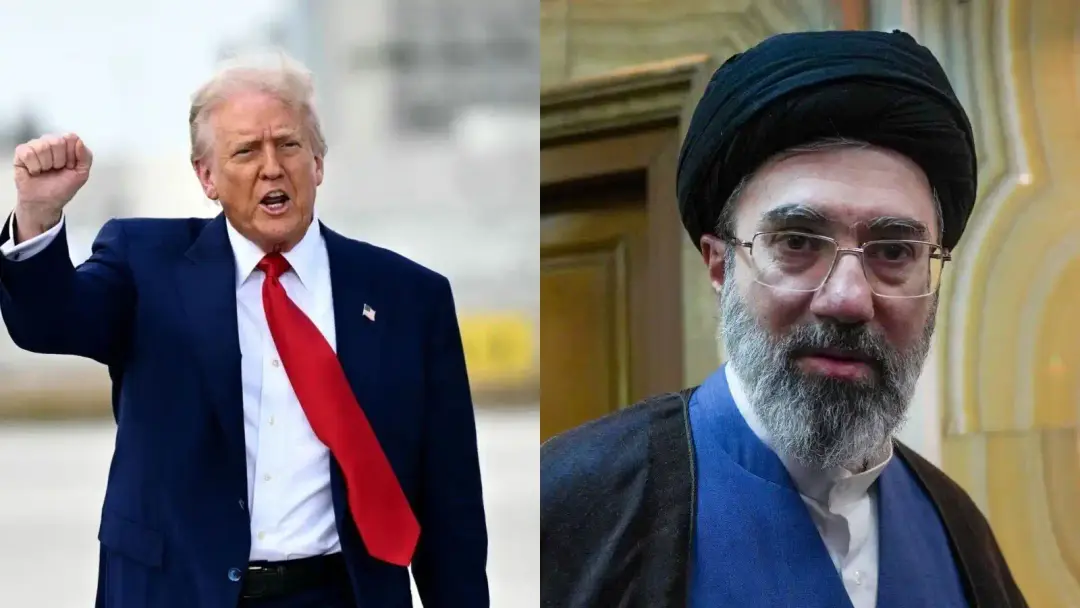
Iran has indicated its willingness to halt any pursuit of nuclear weapons and reopen the Strait of Hormuz under a proposed peace framework that could ease tensions and restore stability to global energy markets.

Details of the draft agreement suggest that Tehran would commit to maintaining restrictions on its nuclear activities while negotiations continue, in exchange for the release of approximately $25 billion in frozen assets and temporary relief from certain economic sanctions. The proposal also includes the reopening of the Strait of Hormuz, one of the world’s most important energy transit routes.
The Strait of Hormuz has experienced significant disruption during months of conflict, causing concerns across international markets due to its strategic role in global oil shipments. Under the framework, commercial shipping would resume while discussions continue on broader diplomatic and security issues.

Officials involved in the talks describe the arrangement as a temporary framework designed to create a 60-day window for further negotiations between Washington and Tehran. Key issues expected to be addressed include Iran’s nuclear programme, sanctions relief and long-term regional security arrangements.

Mediators from regional countries have reportedly played an important role in facilitating discussions, while a formal signing ceremony is expected to take place in Switzerland if outstanding issues are resolved. Despite the optimism surrounding the proposal, several aspects of the agreement remain under negotiation and have yet to receive final approval from all parties involved.

The development comes amid continued tensions in the Middle East, including ongoing military exchanges involving regional actors. Analysts believe the success of the proposed agreement will depend largely on whether both sides fulfil their commitments during the negotiation period.
If implemented, the framework could mark a significant step toward reducing regional tensions, stabilising oil markets and reopening diplomatic channels between two longtime adversaries. However, observers caution that substantial challenges remain before a comprehensive and lasting agreement can be achieved.




