

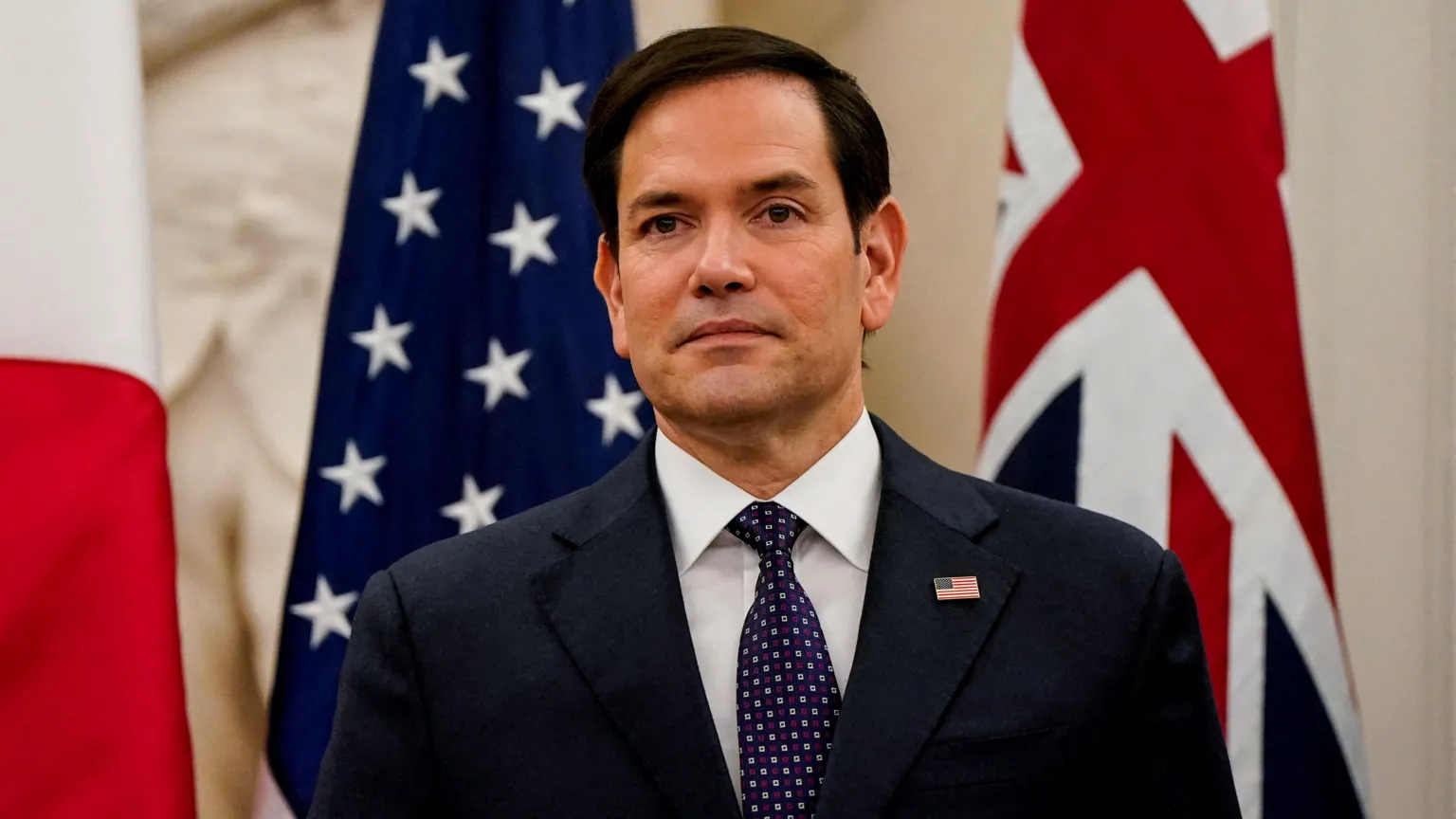
US Secretary of State Marco Rubio has arrived in India for a four-day diplomatic visit taking place against a backdrop of global energy disruption and rising geopolitical tensions linked to the Iran conflict.
He landed in Kolkata on Saturday morning and is expected to continue his trip across Delhi, Jaipur, and Agra, where key diplomatic and economic discussions will take place. A major highlight of the visit will be his meeting with Indian Prime Minister Narendra Modi.

Energy security is expected to dominate the agenda, especially as instability around the Strait of Hormuz continues to disrupt global oil and gas flows. The waterway has become increasingly volatile following escalating tensions involving Iran, the United States, and Israel.
India, which relies on imports for over 80% of its energy consumption, has been significantly affected by these disruptions. The country’s dependence on foreign fuel sources makes it vulnerable to fluctuations in global supply chains, particularly for petroleum and cooking gas.

Rubio has indicated that the United States is prepared to expand energy exports to India, highlighting record levels of American production. However, logistical and cost factors make direct substitution of supply from other regions challenging for India.
Trade relations between the United States and India are also part of the broader discussions. The two countries are working toward a wider trade agreement following recent tariff adjustments and commitments on increased Indian imports of American goods, including energy and technology.
Tensions remain on several diplomatic fronts, including trade imbalances and differing narratives over past regional conflicts in South Asia. However, both nations have recently shown signs of improving cooperation through reduced tariffs and renewed negotiations.

India has also been actively expanding trade partnerships with other global regions, including agreements with the United Kingdom, the European Union, Australia, and Oman, as it seeks to diversify economic dependencies.

Beyond bilateral issues, Rubio’s visit also includes participation in a meeting of Quad foreign ministers, involving India, the United States, Japan, and Australia. The group continues to play a strategic role in Indo-Pacific security discussions, particularly in relation to China’s influence in the region.




